Pressure Accessories

5 products

Showing 1 - 5 of 5 products

Showing 1 - 5 of 5 products
View
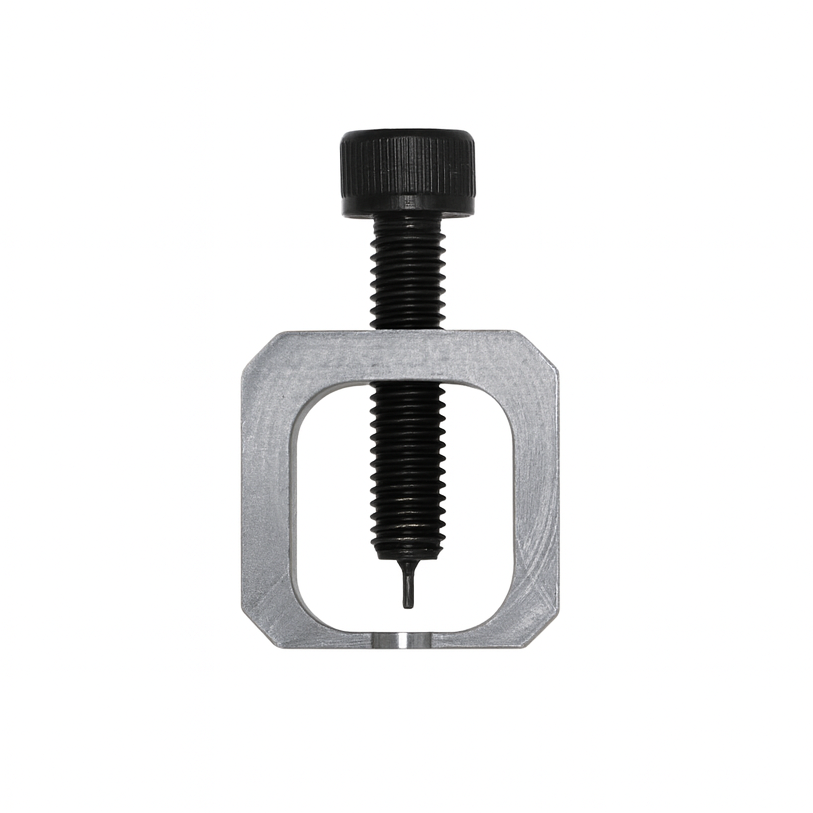
Pressure Gauge Pointer Lifter / Remover
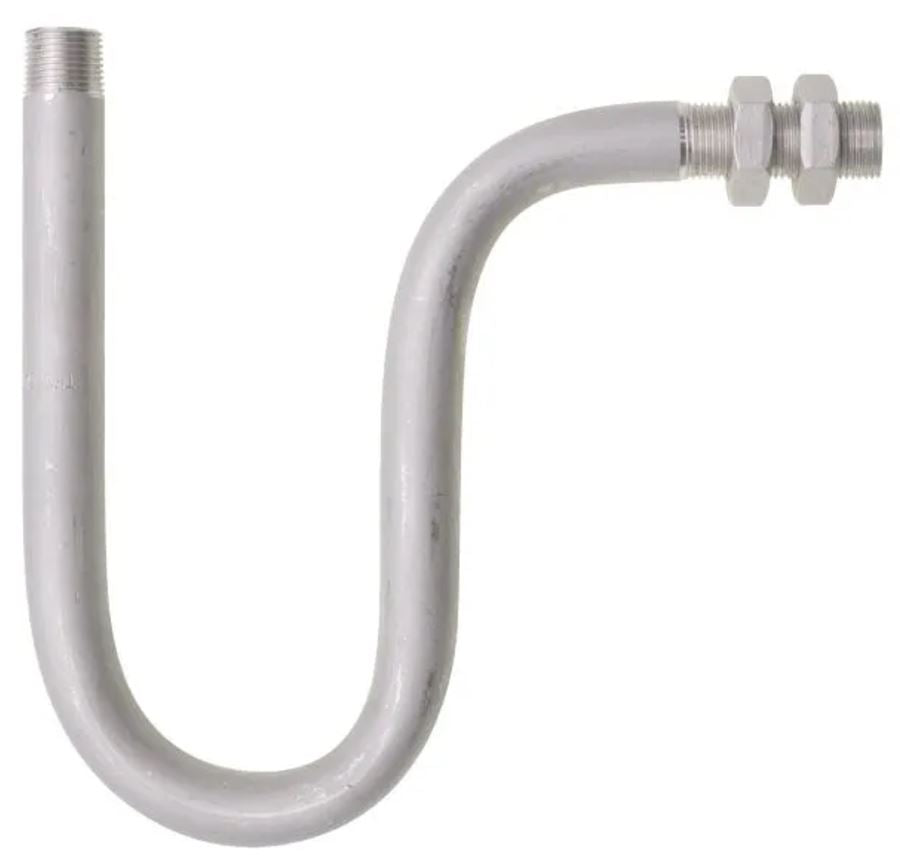
Pressure Gauge Syphon (U)
Sale priceFrom £6.00
Choose options
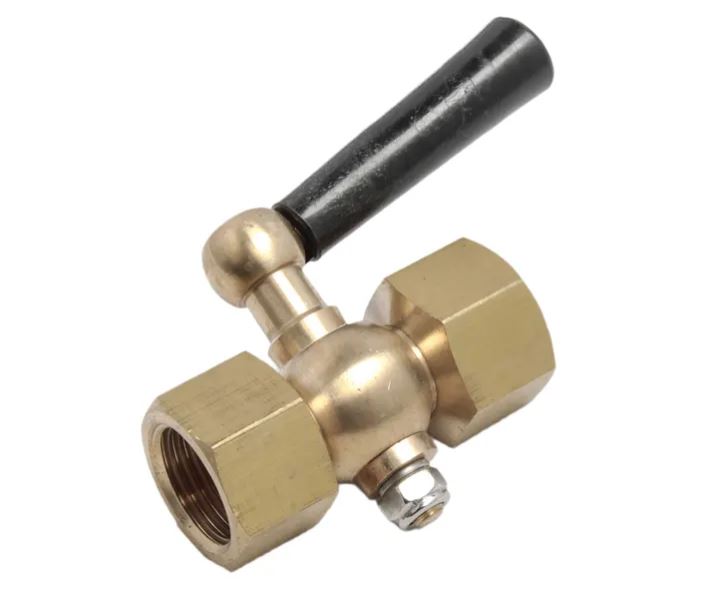
brass pressure gauge cock
Pressure Gauge Cock (Brass)
Sale priceFrom £6.00
Choose options
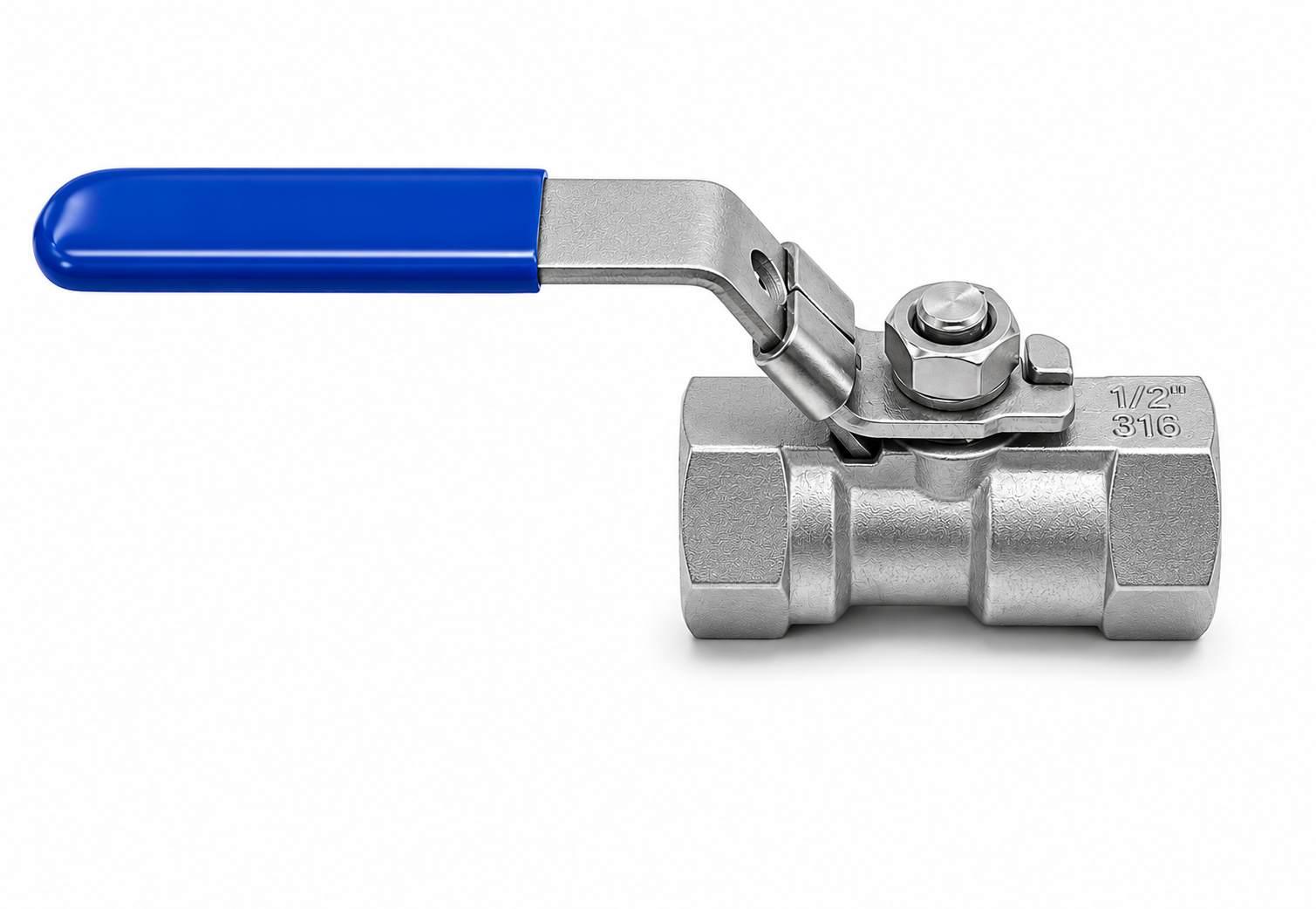
Stainless Steel Ball Valve BSPP
Sale priceFrom £9.00
Choose options

Pressure Accessories FAQ

An armoured capillary tube is used on a pressure gauge to safely transmit pressure from a remote process point to the gauge while protecting the sensing line from damage. The capillary tube is typically small and flexible, allowing the gauge to be mounted away from high temperatures, vibration, corrosive fluids, or hazardous areas. The armouring, usually stainless steel braid or spiral wrap, provides mechanical strength, preventing kinks, crushing, or abrasion that could cause leaks or inaccurate readings. It also enhances durability in industrial environments. Overall, an armoured capillary tube improves safety, accuracy, and reliability in demanding pressure measurement applications.

A syphon is used in a pressure gauge installation to protect the gauge from high-temperature fluids such as steam. In systems like boilers and steam lines, direct exposure to hot media can damage the internal components of the pressure gauge. The syphon, usually made of coiled or looped tubing, traps a small amount of condensate that forms a water seal. This liquid barrier prevents hot steam from reaching the gauge, reducing thermal stress and extending its lifespan. Additionally, the syphon helps dampen sudden pressure fluctuations, improving measurement accuracy and ensuring safer, more reliable operation of the pressure monitoring system.

A gauge cock is used in a pressure gauge installation to control, isolate, and protect the gauge. It is a small valve fitted between the pressure source and the pressure gauge. Its primary purpose is to allow the operator to shut off the pressure supply when removing, testing, or calibrating the gauge, preventing damage and ensuring safety. The gauge cock also helps in reducing sudden pressure surges that could harm the instrument. Additionally, it enables periodic maintenance without interrupting the entire system. By isolating the gauge, it increases service life, improves measurement accuracy, and ensures safe and efficient operation of the pressure system.

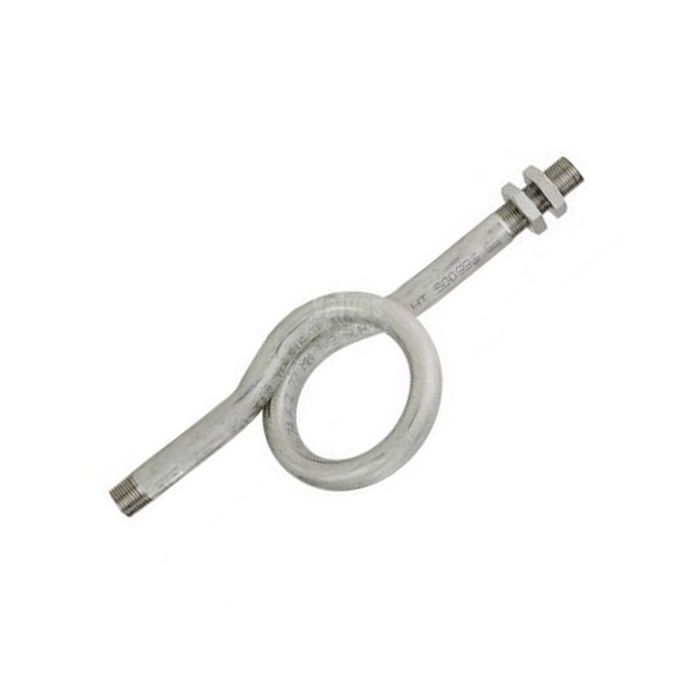
Both U-type and pigtail (scroll) syphons are used to protect pressure gauges and instruments from high-temperature media such as steam by creating a condensate barrier between the process and the instrument.


  • U-type syphon: Features a simple U-shaped bend and is commonly used for horizontal installations. It provides effective cooling and is often preferred where space allows and straightforward installation is required.

  • Pigtail (scroll) syphon: Uses a coiled or spiral design that offers a more compact installation footprint. The coil provides a larger cooling surface area, making it particularly suitable for steam service and applications where space is limited.

In most applications, both types perform the same basic function. The choice between them typically depends on installation orientation, available space, industry preferences, and specific application requirements.

Both gauge cocks and ball valves are used to isolate pressure gauges and instrumentation from the process, but they are designed for different purposes.


  • Gauge cock: A compact valve specifically designed for pressure gauge installations. It allows the gauge to be isolated for maintenance, replacement, or calibration without shutting down the process. Gauge cocks are typically smaller, lighter, and purpose-built for instrumentation applications.

  • Ball valve: A general-purpose isolation valve that uses a rotating ball with a bore through its centre to control flow. Ball valves provide full-bore flow, excellent sealing performance, and are suitable for a wide range of process applications, including gauge isolation.

In general, gauge cocks are a cost-effective solution for dedicated pressure gauge isolation, while ball valves offer greater versatility, durability, and flow capacity where more robust isolation is required.

Yes. The right pressure gauge accessories can significantly extend the lifespan of a pressure gauge by protecting it from conditions that commonly cause damage or inaccurate readings.

Accessories such as syphons, snubbers, pulsation dampeners, diaphragm seals, and isolation valves help shield gauges from excessive temperatures, pressure surges, vibration, corrosive media, and process contamination. By reducing the stress placed on the gauge's internal components, these accessories help maintain accuracy and reduce the likelihood of premature failure.

In addition to improving reliability, pressure gauge accessories can lower maintenance costs, minimise downtime, and increase the overall service life of the instrument.

Yes. Most pressure gauge accessories can be used with both digital and analogue pressure gauges, provided they are correctly specified for the application and compatible with the instrument's pressure rating and connection type.

Accessories such as syphons, snubbers, diaphragm seals, isolation valves, and pulsation dampeners are commonly used with digital pressure gauges to protect sensitive electronic sensors from high temperatures, pressure spikes, vibration, and aggressive process media.

Using the appropriate accessories can help improve measurement stability, protect the gauge from damage, and extend the service life of digital pressure instruments in demanding industrial environments.

Recently viewed