Calibration Equipment

8 products

Showing 1 - 8 of 8 products

Showing 1 - 8 of 8 products
View
A digital pressure gauge, model PDR250, with a blue and silver color scheme, featuring a digital display and a blue-colored bezel. The gauge has a dial with measurement markings and a pressure port on the side.
PDK PDR250 Digital Pressure Gauge
Sale priceFrom £295.00
Choose options
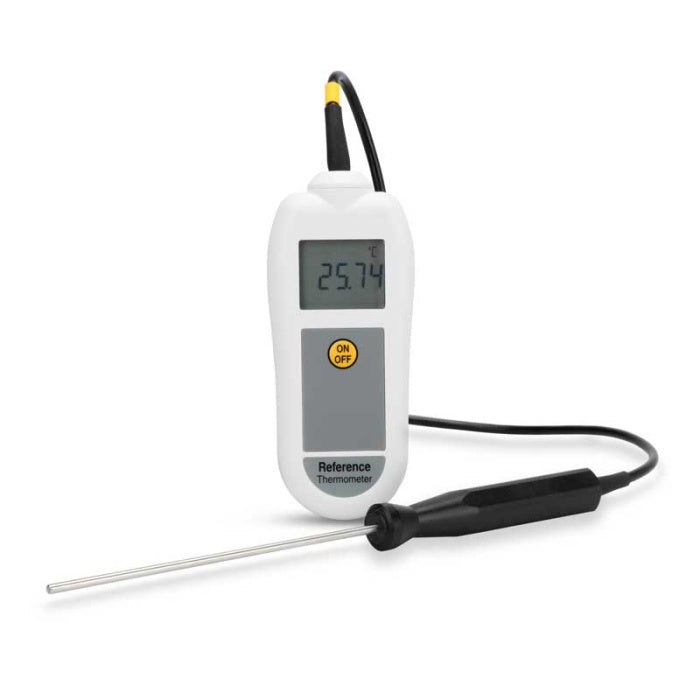
Reference Calibration Thermometer
Sale price£240.00
Re-stocking soon
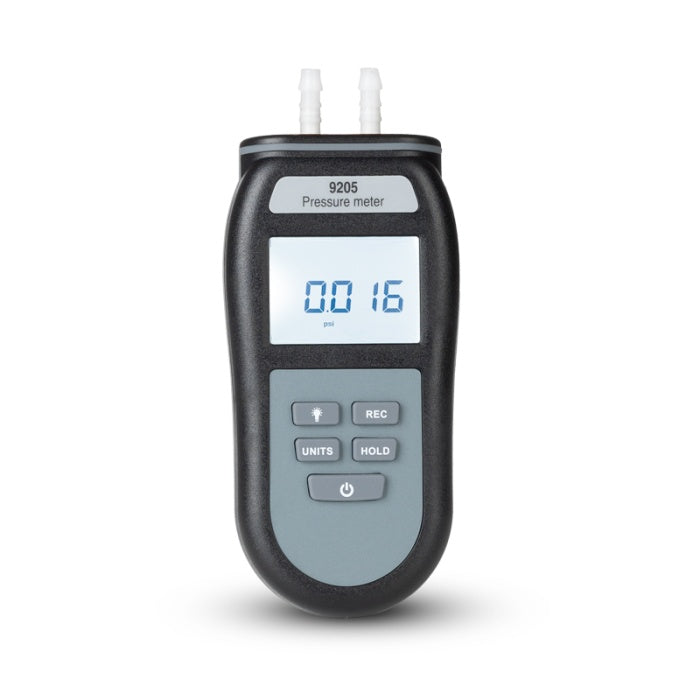
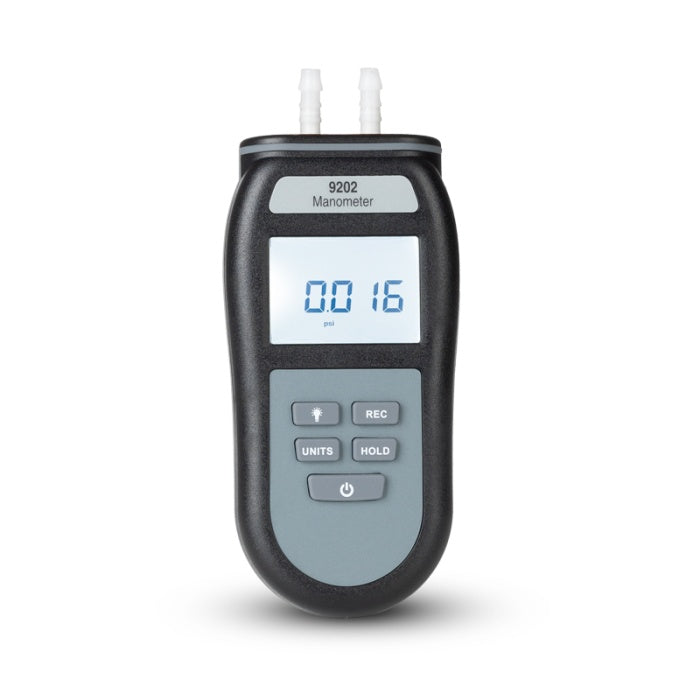
9200 Series Pressure Meter9200 Series Pressure Meter
9200 Series Pressure Meter
Sale priceFrom £80.00
Choose options
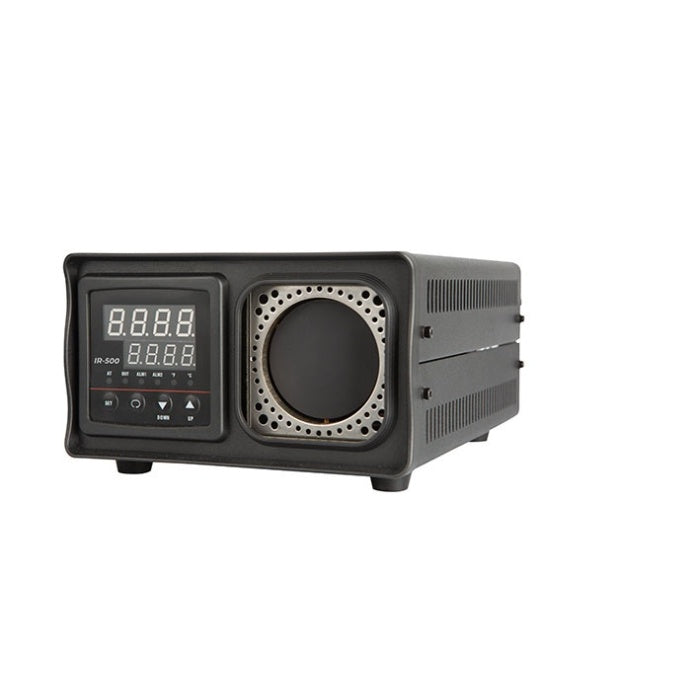
IR-500 Black Body Calibrator
Sale price£1,000.00
Re-stocking soon
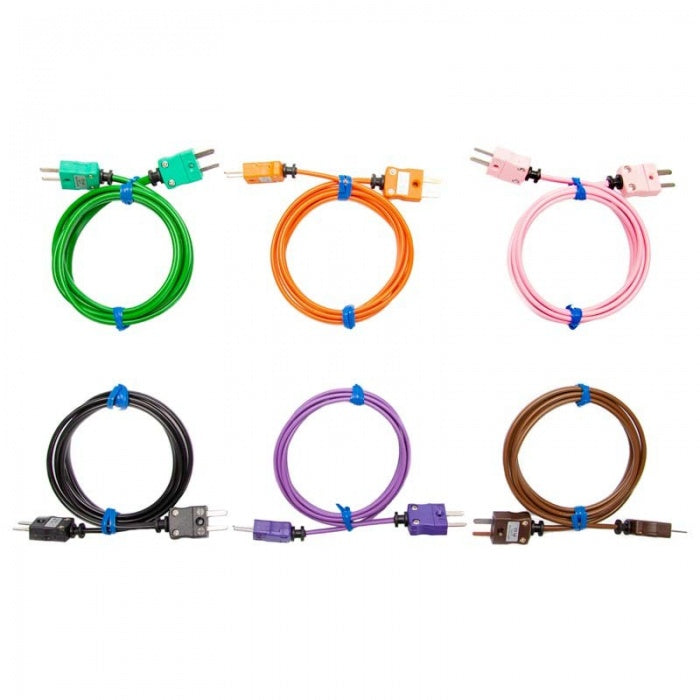
Thermocouple Lead Set
Sale price£56.00
Re-stocking soon
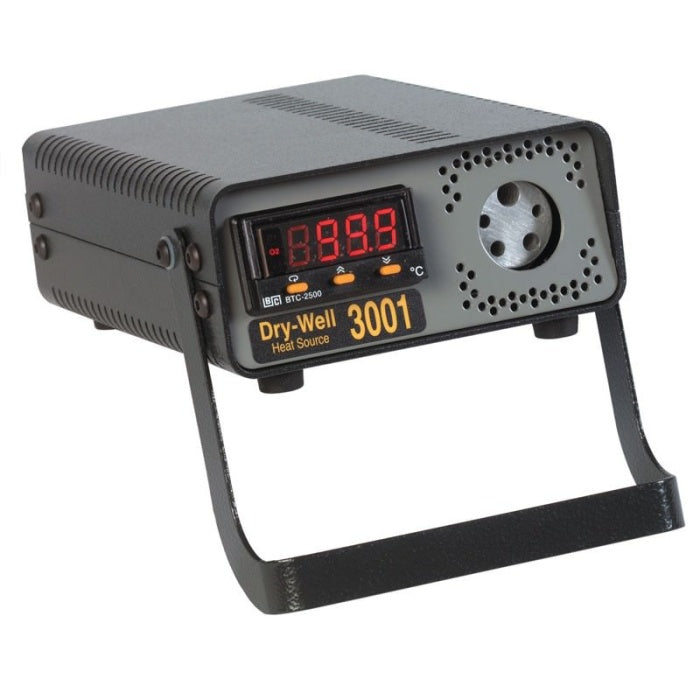
3000 Series Dry-Well Heat Source Calibrators
Sale price£1,050.00
Re-stocking soon
Choose options
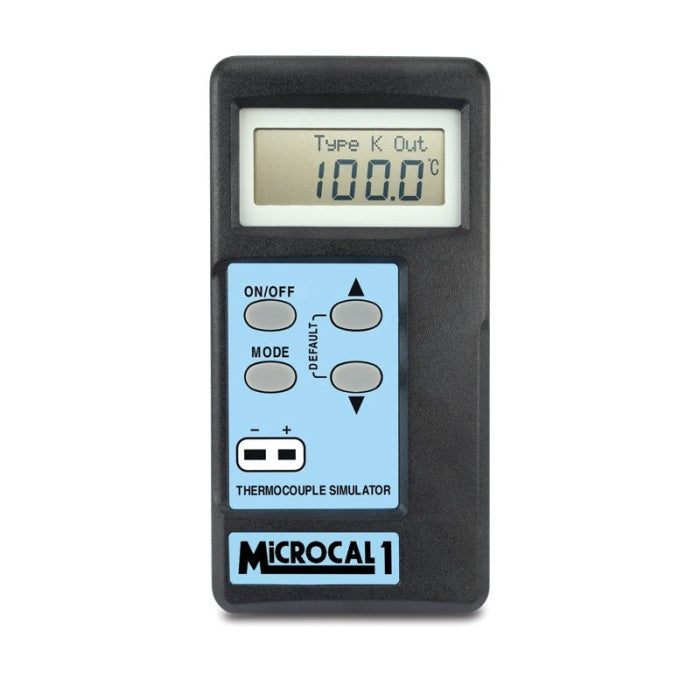
Microcal 1 Temperature Simulator
Sale priceFrom £175.00
Re-stocking soon
Choose options

Calibration Equipment FAQ

A blackbody calibrator is a precision device used to test and calibrate infrared temperature guns (or IR thermometers). It provides a stable, known temperature reference by emitting infrared radiation with a well-defined intensity that closely follows the blackbody radiation law. The calibrator typically consists of a temperature-controlled cavity or surface with very high emissivity, ensuring it mimics an ideal blackbody. By comparing the infrared thermometer’s reading to the calibrator’s known temperature, users can verify accuracy and make necessary adjustments. Blackbody calibrators are essential in laboratories, manufacturing, and quality control settings, helping maintain reliable and traceable temperature measurements for processes involving non-contact temperature sensing.

A thermocouple simulator is a device used to mimic the electrical output of different types of thermocouples under various temperature conditions. Its main purpose is to test, calibrate, and troubleshoot temperature measurement and control systems without needing an actual temperature source. By generating precise voltage signals equivalent to those produced by real thermocouples, it allows engineers and technicians to verify the accuracy and performance of temperature instruments, such as controllers, transmitters, and data loggers. Thermocouple simulators are especially valuable in maintenance, research, and manufacturing environments, as they save time, reduce risk, and ensure reliable temperature readings across equipment. In essence, they provide a safe, convenient, and accurate method for validating temperature measurement systems.

UKAS calibration and traceable calibration are both methods of ensuring measurement accuracy, but they differ in scope and assurance level. UKAS calibration is performed by a laboratory accredited by the United Kingdom Accreditation Service, following ISO/IEC 17025 standards. Results are independently verified and internationally recognised. Traceable calibration, on the other hand, confirms that measurements are linked to national or international standards through an unbroken chain of comparisons. Traceable calibration offers reliability for many industrial applications. Businesses requiring compliance with strict quality systems, regulatory approval, or global recognition typically opt for UKAS calibration, while traceable calibration is a cost-effective solution for routine industrial use.

Calibration is the process of comparing a measuring instrument against a known reference standard to verify its accuracy and performance. In industrial environments, calibration ensures that equipment such as thermometers, pressure gauges, and sensors provide reliable readings that align with national or international measurement standards. This process identifies any deviations and, if necessary, adjusts the instrument to maintain compliance with specified tolerances. Regular calibration is essential for quality control, safety, and regulatory compliance across industries including manufacturing, pharmaceuticals, food processing, and energy. Without calibration, measurements may drift over time, leading to errors that impact product quality, efficiency, and safety. By establishing confidence in measurement accuracy, calibration supports consistent processes, reduces downtime, and helps businesses meet stringent industry standards and customer expectations.

Recently viewed