General Purpose Gauges

20 products

Showing 1 - 20 of 20 products

Showing 1 - 20 of 20 products
View
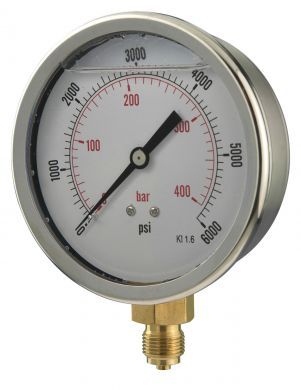
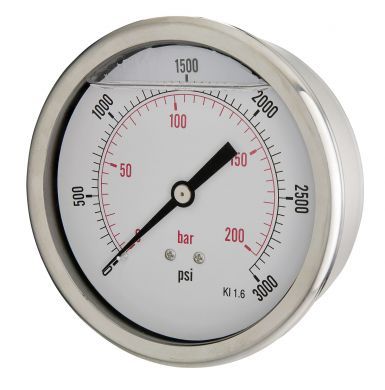
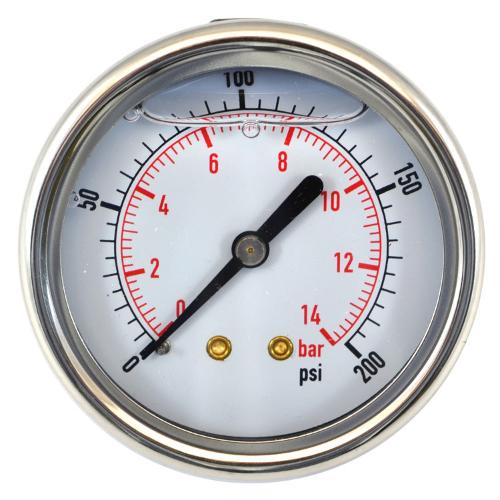
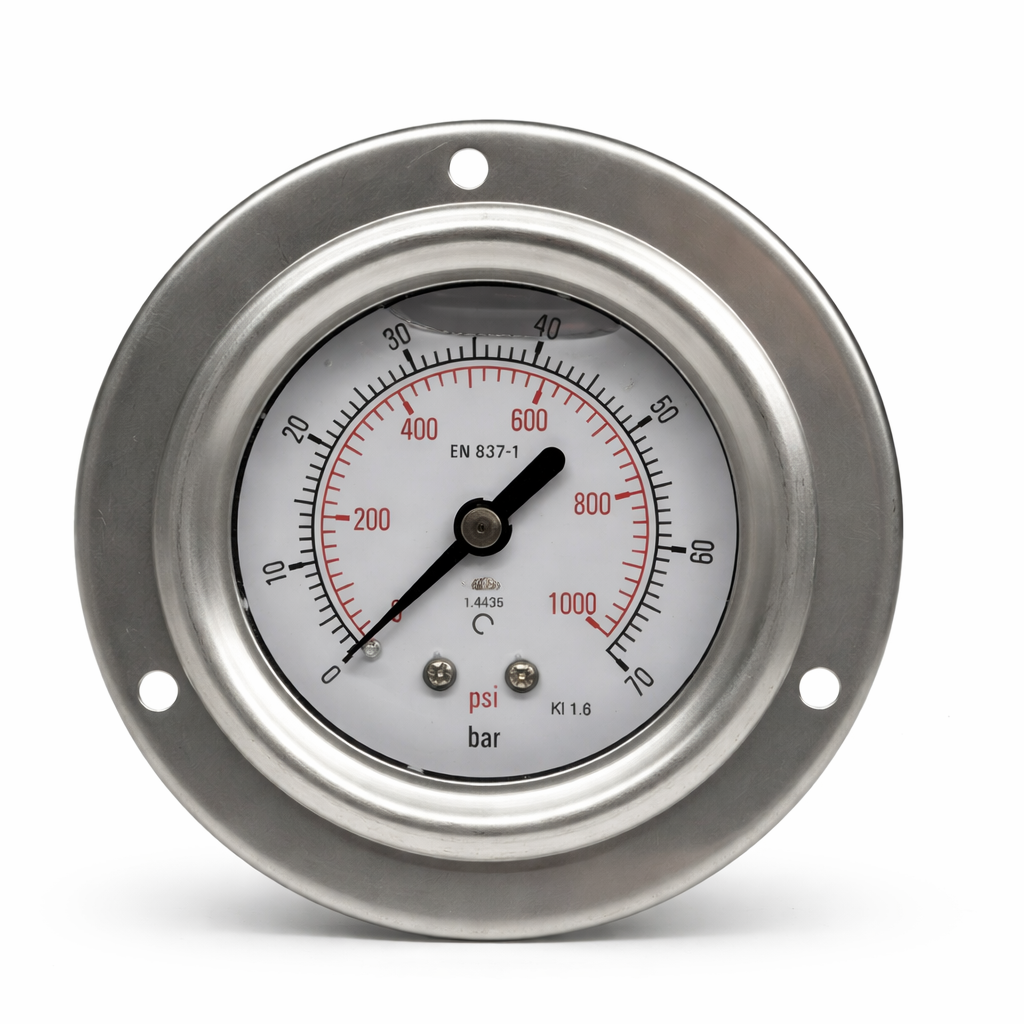
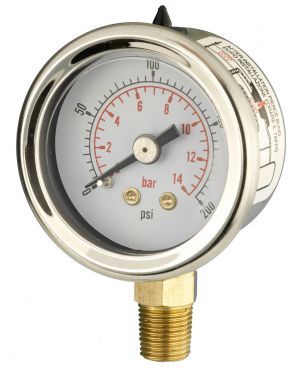
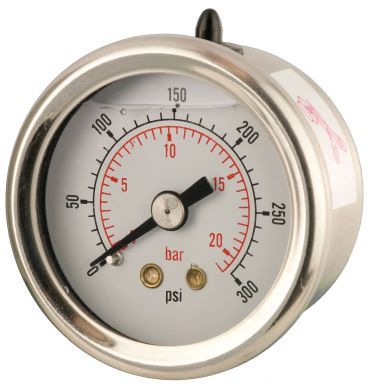
63mm Glycerine Filled Pressure Gauge
Sale priceFrom £15.00
Choose options
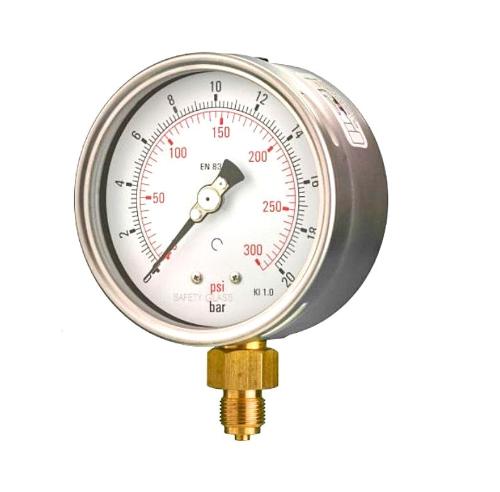
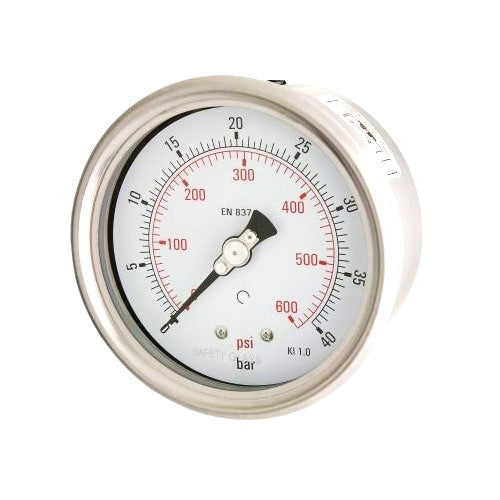
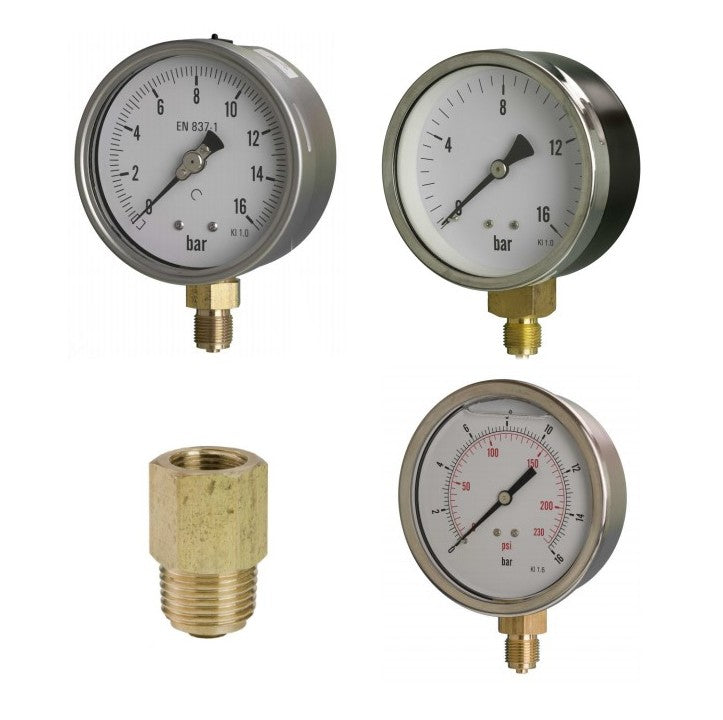
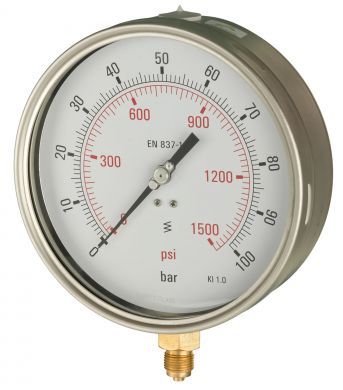
40mm General Purpose Pressure Gauge
Sale priceFrom £22.50
Choose options
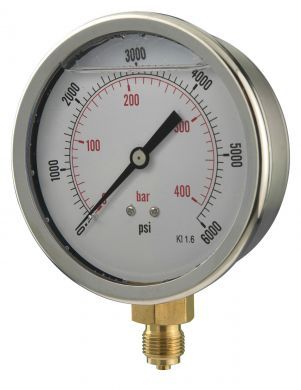
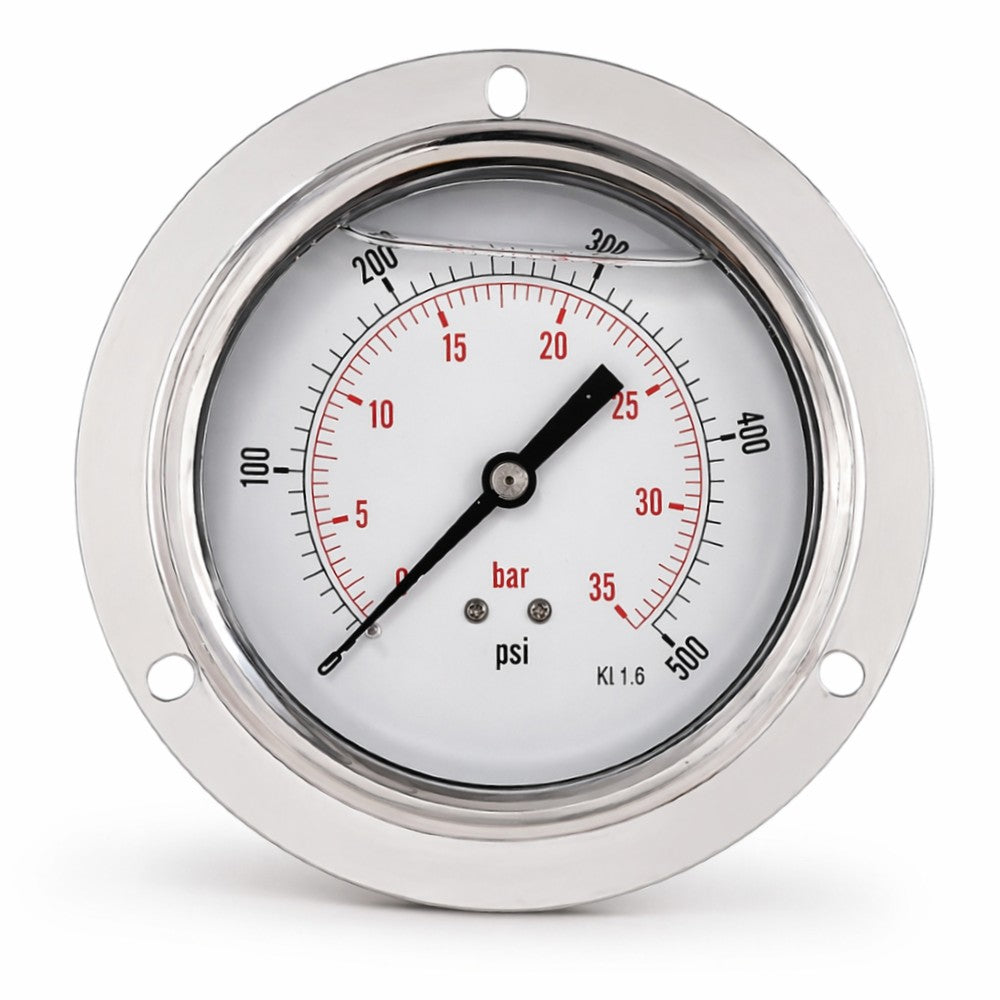
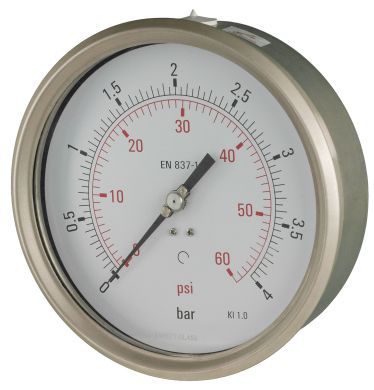
50mm Glycerine Filled Pressure Gauge
Sale priceFrom £15.00
Choose options
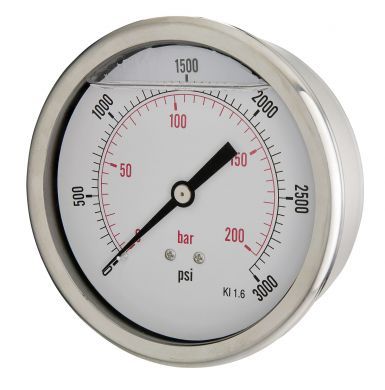
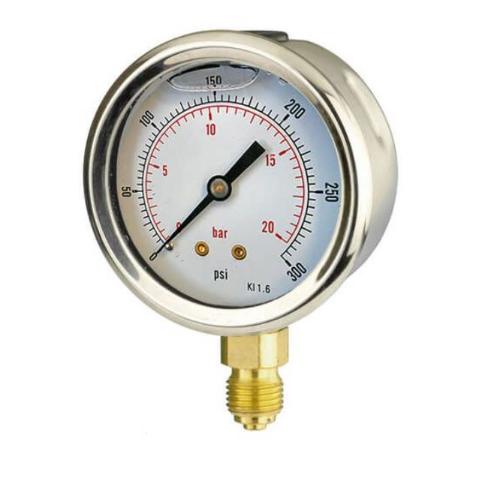
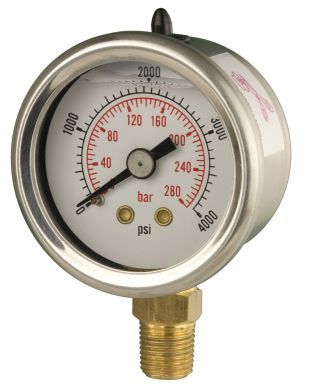
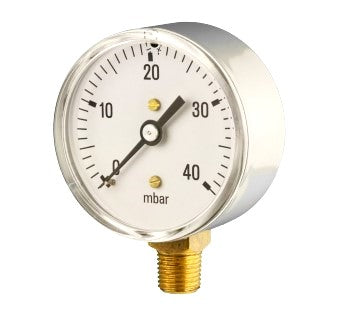
40mm Glycerine Filled Pressure Gauge
Sale priceFrom £24.00
Choose options

General Purpose Gauges FAQ

A glycerine filled pressure gauge is designed to provide reliable and accurate readings, even in demanding environments. The glycerine inside the gauge acts as a dampening fluid, reducing the effects of vibration, pulsation, and sudden pressure changes that can cause pointer fluctuations. This makes it much easier to read measurements quickly and precisely.

These gauges are especially valuable in applications involving pumps, compressors, or machinery that generate vibration. By ensuring stable, accurate readings and improving durability, a glycerine-filled pressure gauge offers both performance and long-term cost savings, making it an excellent choice for industrial, commercial, and mechanical use.

Calibration is the process of comparing a measuring instrument against a known reference standard to verify its accuracy and performance. In industrial environments, calibration ensures that equipment such as thermometers, pressure gauges, and sensors provide reliable readings that align with national or international measurement standards. This process identifies any deviations and, if necessary, adjusts the instrument to maintain compliance with specified tolerances. Regular calibration is essential for quality control, safety, and regulatory compliance across industries including manufacturing, pharmaceuticals, food processing, and energy. Without calibration, measurements may drift over time, leading to errors that impact product quality, efficiency, and safety. By establishing confidence in measurement accuracy, calibration supports consistent processes, reduces downtime, and helps businesses meet stringent industry standards and customer expectations.

Pressure can be measured in various units depending on the system and region. The Pascal (Pa) is the SI unit of pressure, defined as one newton per square meter (N/m²). Since the Pascal is relatively small, kilopascals (kPa) and megapascals (MPa) are commonly used in practical applications.

Another widely used unit is pounds per square inch (psi), especially in the United States. It measures the force in pounds applied over one square inch. Bar is another metric unit, where 1 bar equals 100,000 Pascals, commonly used in industrial and automotive applications.

Other units include atmospheres (atm), where 1 atm equals 101,325 Pa, which is the average atmospheric pressure at sea level. Millimeters of mercury (mmHg) and inches of mercury (inHg) are traditional units used in medical and meteorological fields. Choosing the correct unit depends on the application, industry standards, and required precision for pressure measurement.

Metric, NPT, BSPP, and BSPT are different types of screw threads used for pipes and fittings, each with distinct characteristics. Metric threads are standardized by the International Organization for Standardization (ISO). They have a specific pitch and diameter measured in millimetres and are used globally for general mechanical fastening.

NPT (National Pipe Thread) is a U.S. standard with a tapered thread design, meaning the thread diameter decreases along the length. This taper creates a tight, leak-resistant seal when threaded into a fitting, commonly used in plumbing and industrial applications.

BSPP (British Standard Pipe Parallel) threads are parallel (straight) and used mainly in the UK and Commonwealth countries. BSPP fittings seal using an O-ring or gasket rather than the threads themselves.

BSPT (British Standard Pipe Tapered) threads are tapered like NPT but follow British standards. BSPT threads form a seal by wedging the threads together, similar to NPT, but are not interchangeable with NPT due to differences in thread angle and pitch. Understanding these differences is vital for proper fitting and leak prevention.

Pressure gauges are essential instruments used to measure and monitor pressure in various systems, ensuring safety, accuracy, and efficiency. They come in different types, each designed for specific applications and environments. The most common are Bourdon tube gauges, widely used in industrial settings for their reliability and durability. Diaphragm gauges are suitable for low-pressure measurement and applications involving corrosive or viscous media. Capsule gauges are ideal for very low-pressure readings, such as air or gas monitoring. Digital pressure gauges provide high accuracy with easy-to-read displays and advanced features like data logging. Differential pressure gauges measure the difference between two pressures, making them useful in filtration and flow applications. By understanding the different types of pressure gauges, businesses can choose the right tool to maintain system performance, enhance safety, and meet industry standards.

Recently viewed