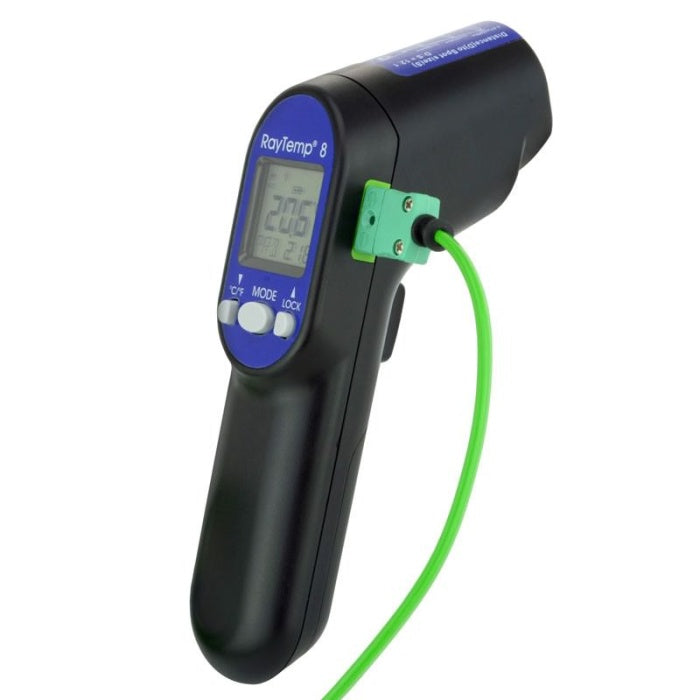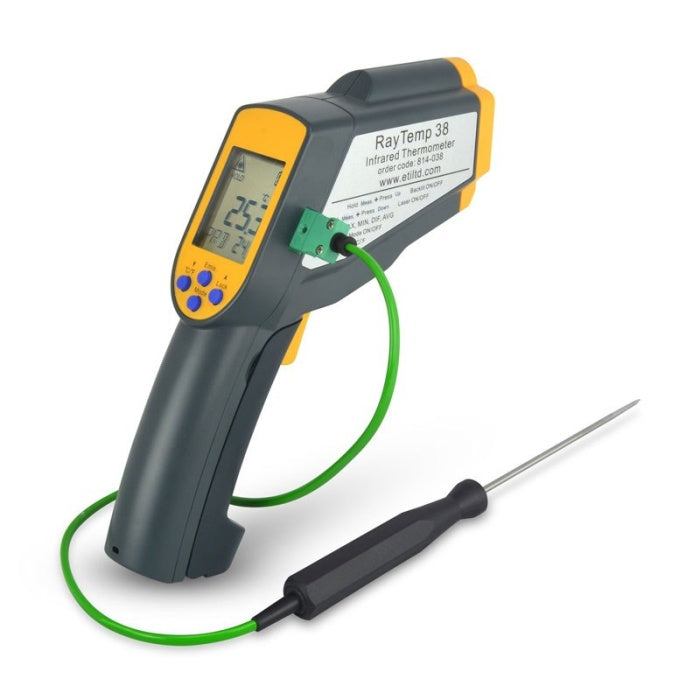
Portable Devices & Loggers

15 products

Showing 1 - 15 of 15 products

Showing 1 - 15 of 15 products
View
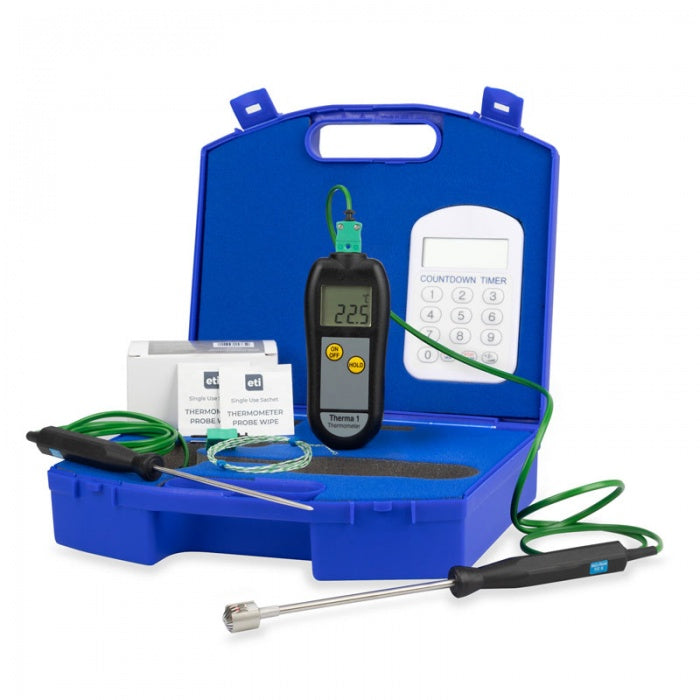
Legionella Thermometer Kit (Standard)
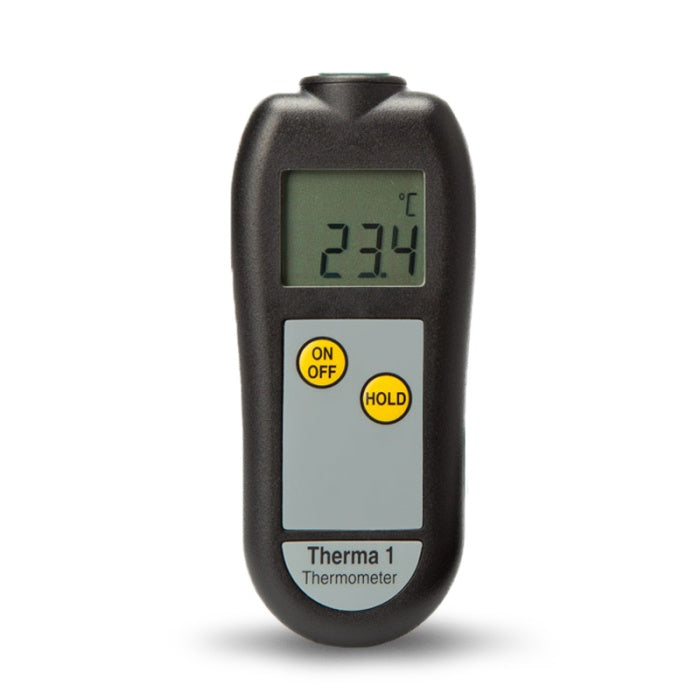
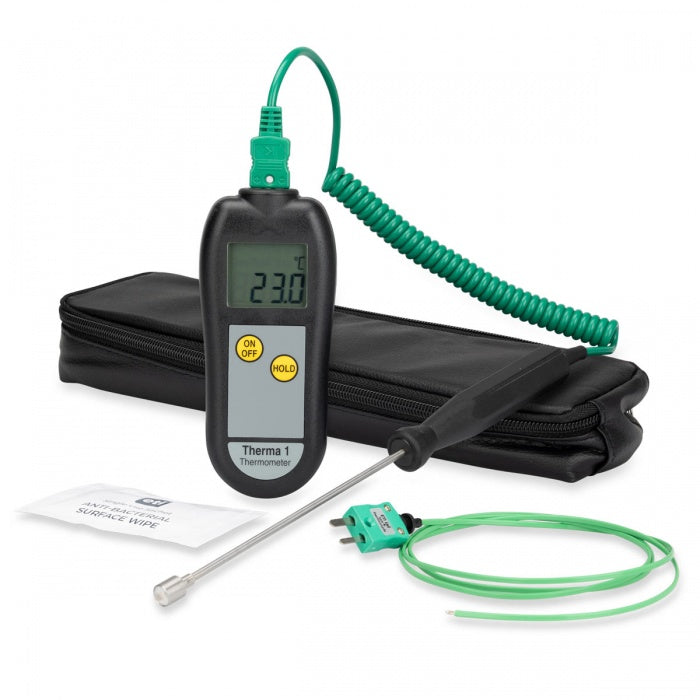
Therma 1 Industrial Digital Thermometer (Calibrated)
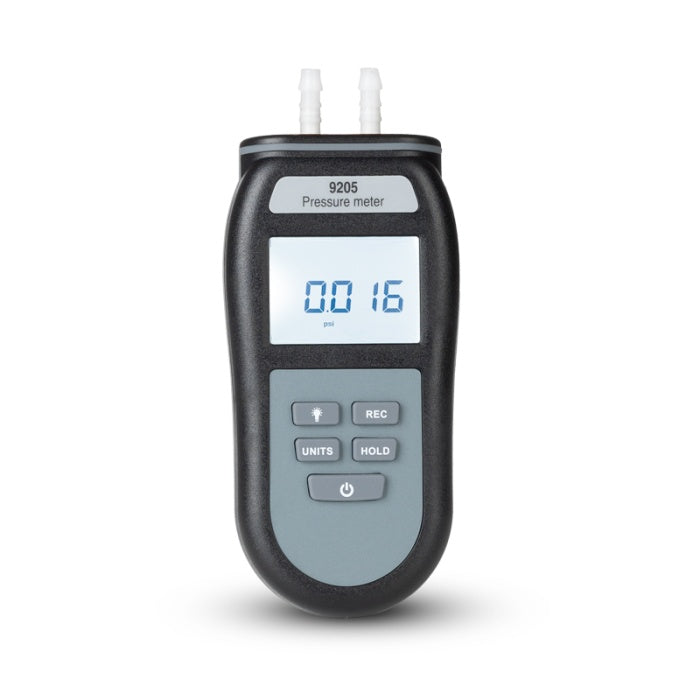
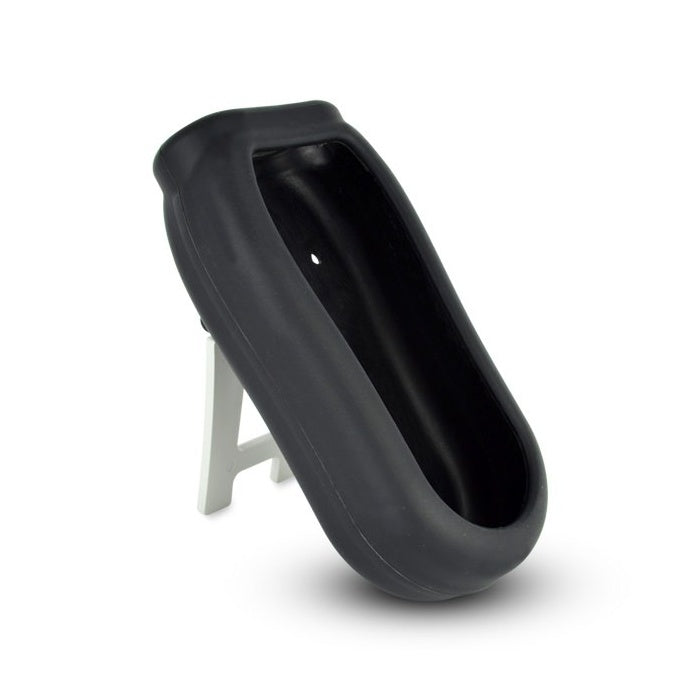
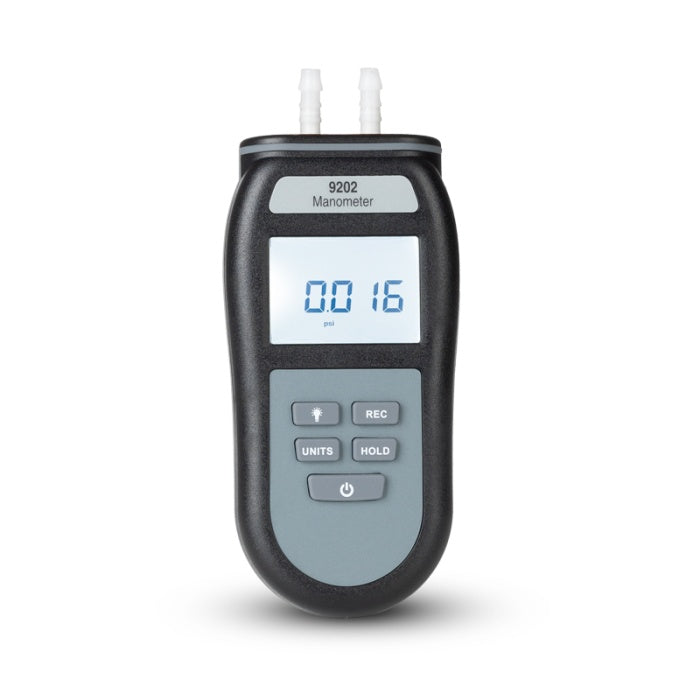
9200 Series Pressure Meter9200 Series Pressure Meter
9200 Series Pressure Meter
Sale priceFrom £80.00
Choose options
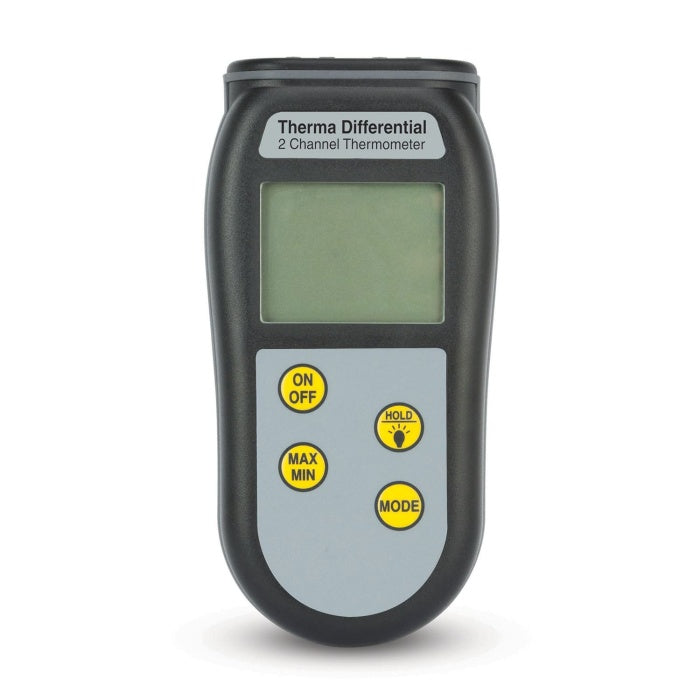
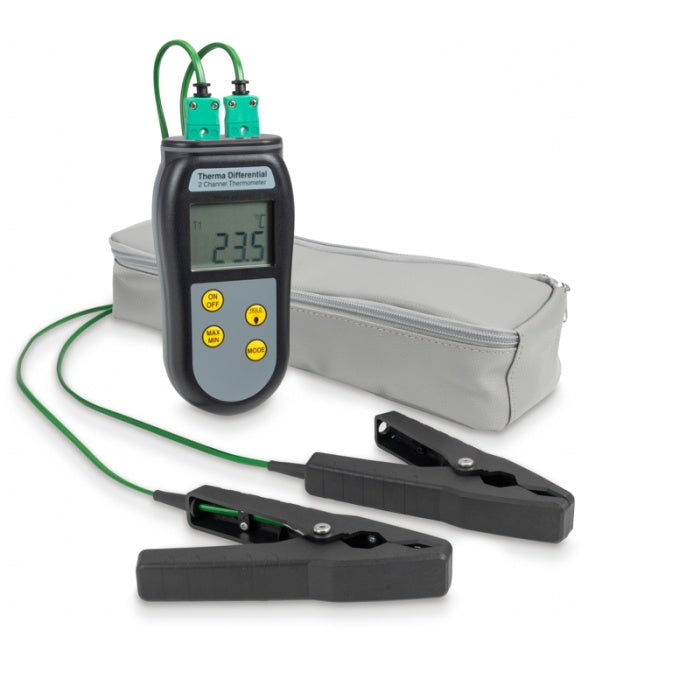
Therma Differential Digital Thermometer (Calibrated)
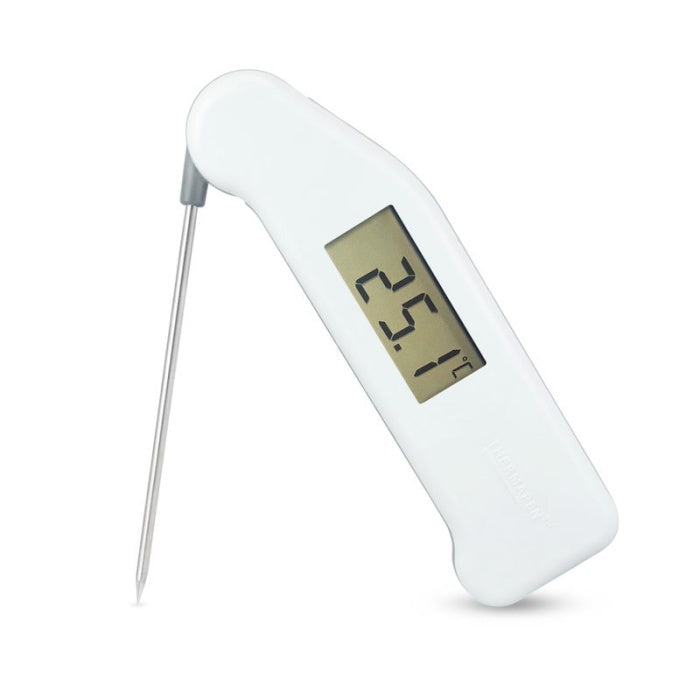
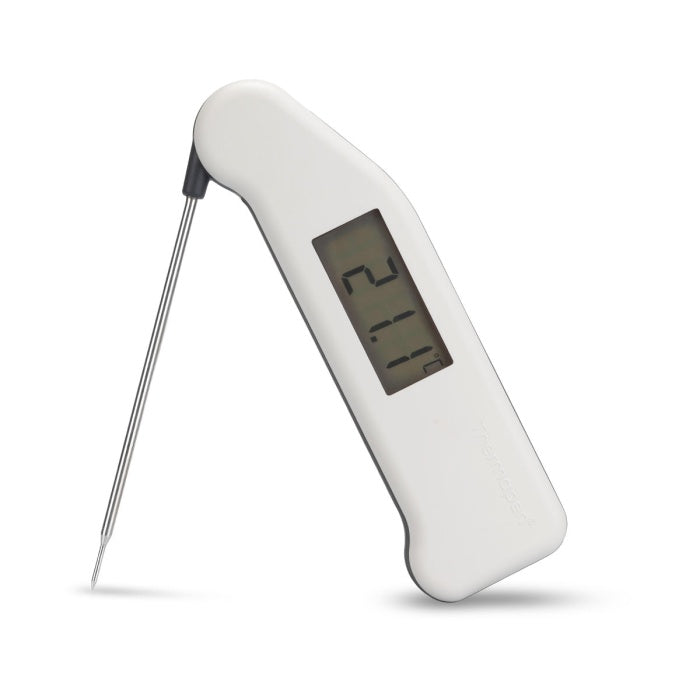
Thermapen Thermometer (Classic)
Thermapen Thermometer (Strong Penetration Probe)
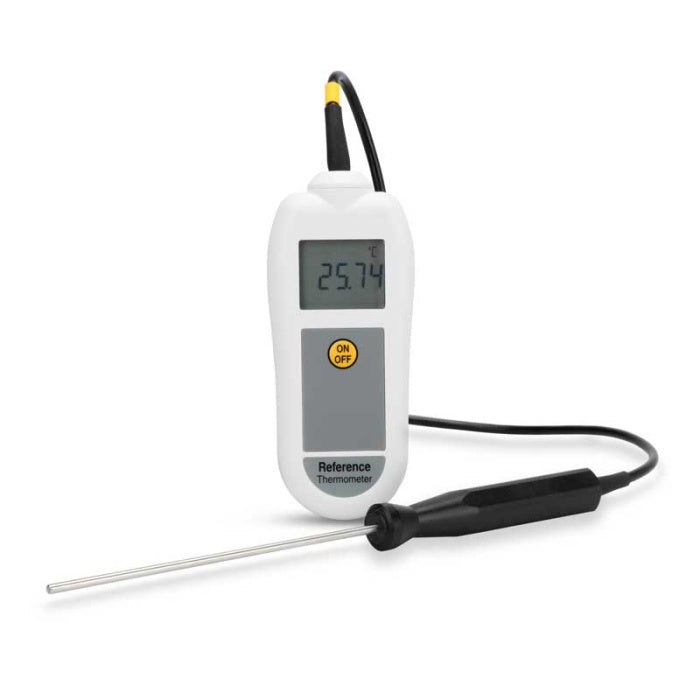
Reference Calibration Thermometer
Sale price£240.00
Re-stocking soon
HVAC Thermometer Kit (Standard)
Sale price£128.50

Portable Devices & Loggers FAQ

Emissivity is a measure of how efficiently an object emits infrared radiation compared to a perfect blackbody, which has an emissivity value of 1. It ranges from 0 to 1, where higher values indicate that a surface emits more infrared energy. Materials like matte black paint have high emissivity, while shiny metals have low emissivity because they reflect more radiation than they emit. Emissivity plays an important role in accurate temperature measurements using infrared thermometers or thermal cameras. If the emissivity of a surface is not properly accounted for, the temperature reading can be significantly higher or lower than the true value.

Infrared thermometers work by detecting infrared radiation, a type of heat energy emitted by all objects. Every object above absolute zero gives off infrared radiation proportional to its temperature. The thermometer’s lens focuses this radiation onto a sensor, called a thermopile, which absorbs the energy and converts it into an electrical signal. The device’s microprocessor then translates this signal into a temperature reading, displayed in degrees Celsius or Fahrenheit. Because infrared thermometers measure surface temperature without physical contact, they are ideal for situations where objects are moving, very hot, hazardous, or otherwise difficult to reach, ensuring safe and fast measurements.

UKAS calibration and traceable calibration are both methods of ensuring measurement accuracy, but they differ in scope and assurance level. UKAS calibration is performed by a laboratory accredited by the United Kingdom Accreditation Service, following ISO/IEC 17025 standards. Results are independently verified and internationally recognised. Traceable calibration, on the other hand, confirms that measurements are linked to national or international standards through an unbroken chain of comparisons. Traceable calibration offers reliability for many industrial applications. Businesses requiring compliance with strict quality systems, regulatory approval, or global recognition typically opt for UKAS calibration, while traceable calibration is a cost-effective solution for routine industrial use.

Pressure can be measured in various units depending on the system and region. The Pascal (Pa) is the SI unit of pressure, defined as one newton per square meter (N/m²). Since the Pascal is relatively small, kilopascals (kPa) and megapascals (MPa) are commonly used in practical applications.

Another widely used unit is pounds per square inch (psi), especially in the United States. It measures the force in pounds applied over one square inch. Bar is another metric unit, where 1 bar equals 100,000 Pascals, commonly used in industrial and automotive applications.

Other units include atmospheres (atm), where 1 atm equals 101,325 Pa, which is the average atmospheric pressure at sea level. Millimeters of mercury (mmHg) and inches of mercury (inHg) are traditional units used in medical and meteorological fields. Choosing the correct unit depends on the application, industry standards, and required precision for pressure measurement.

Recently viewed