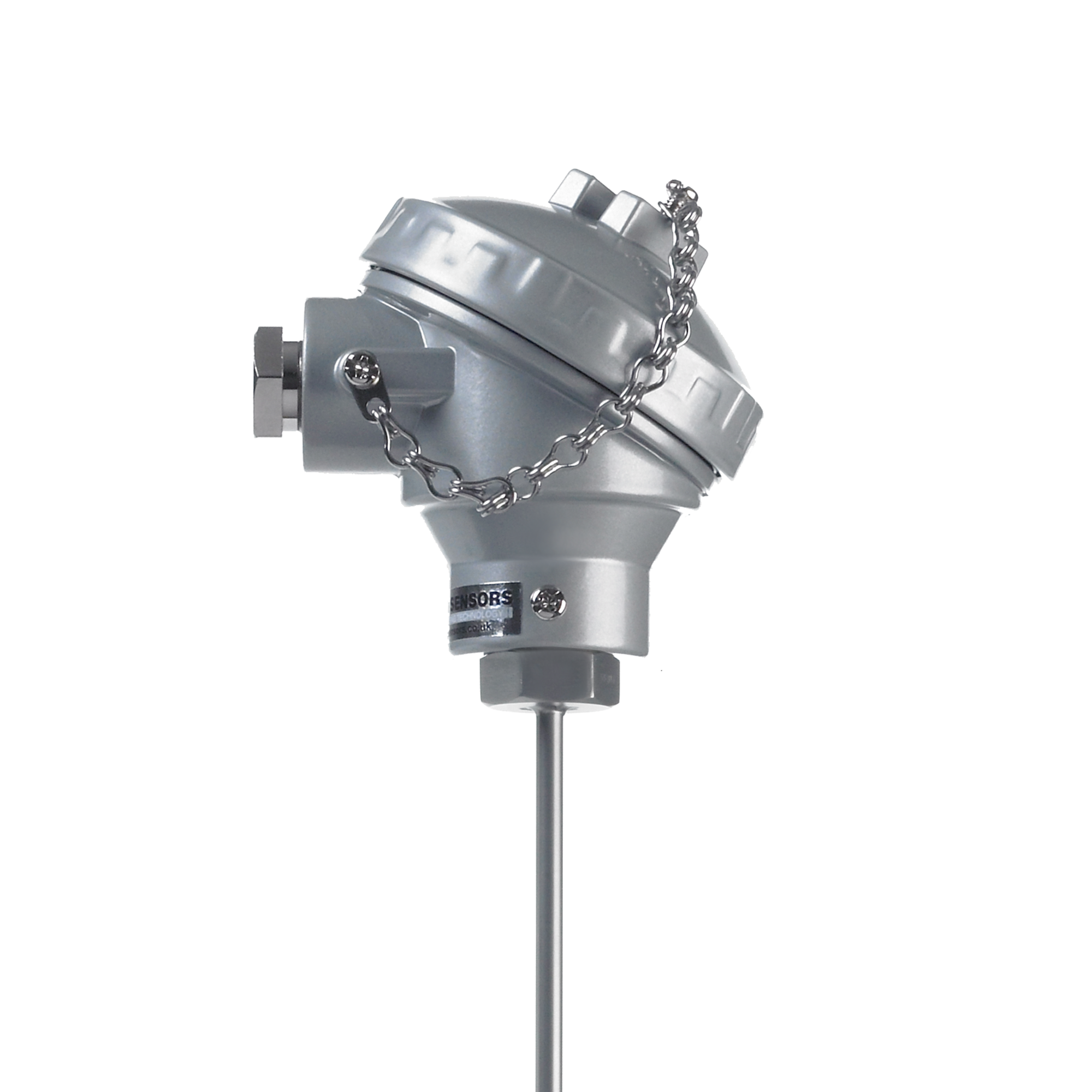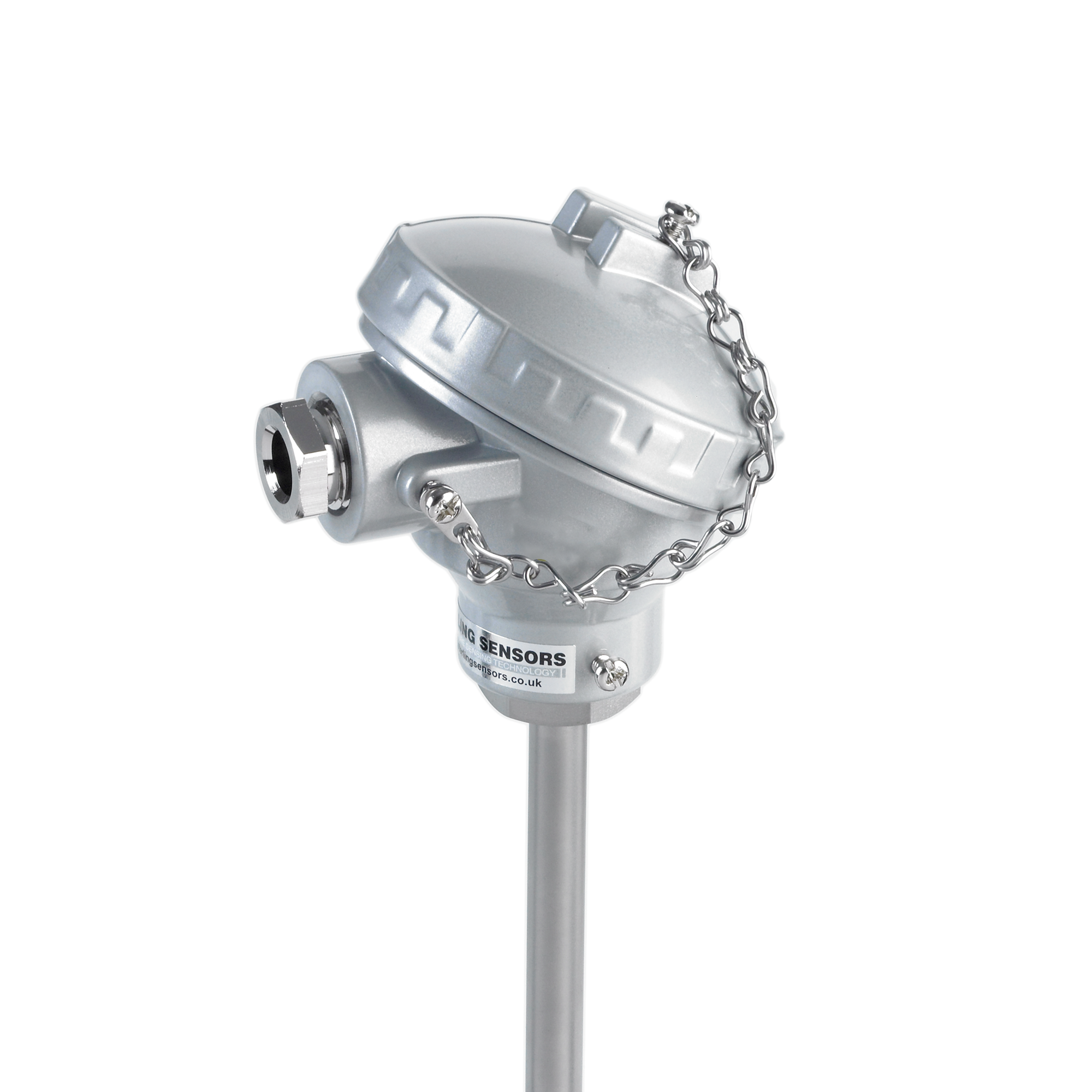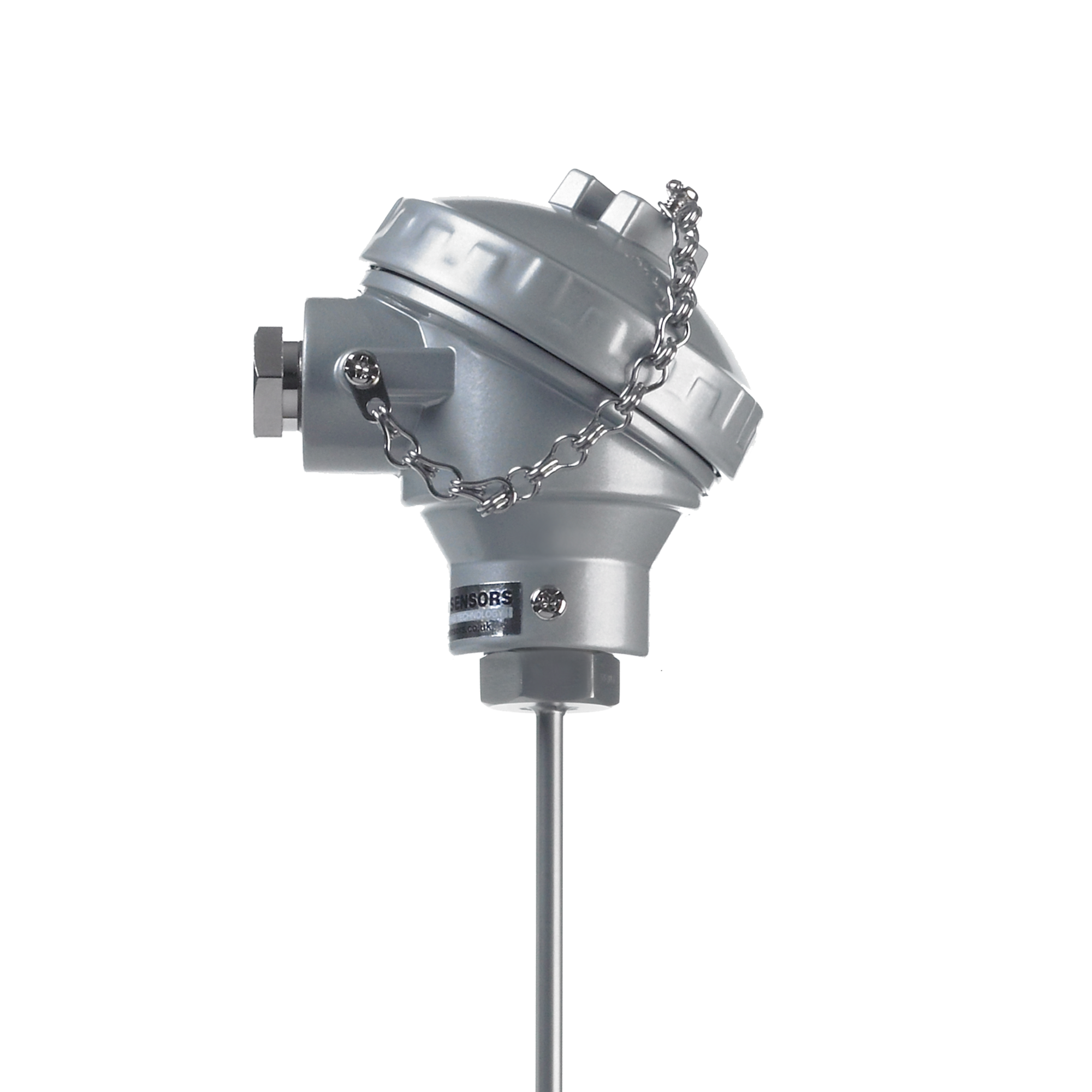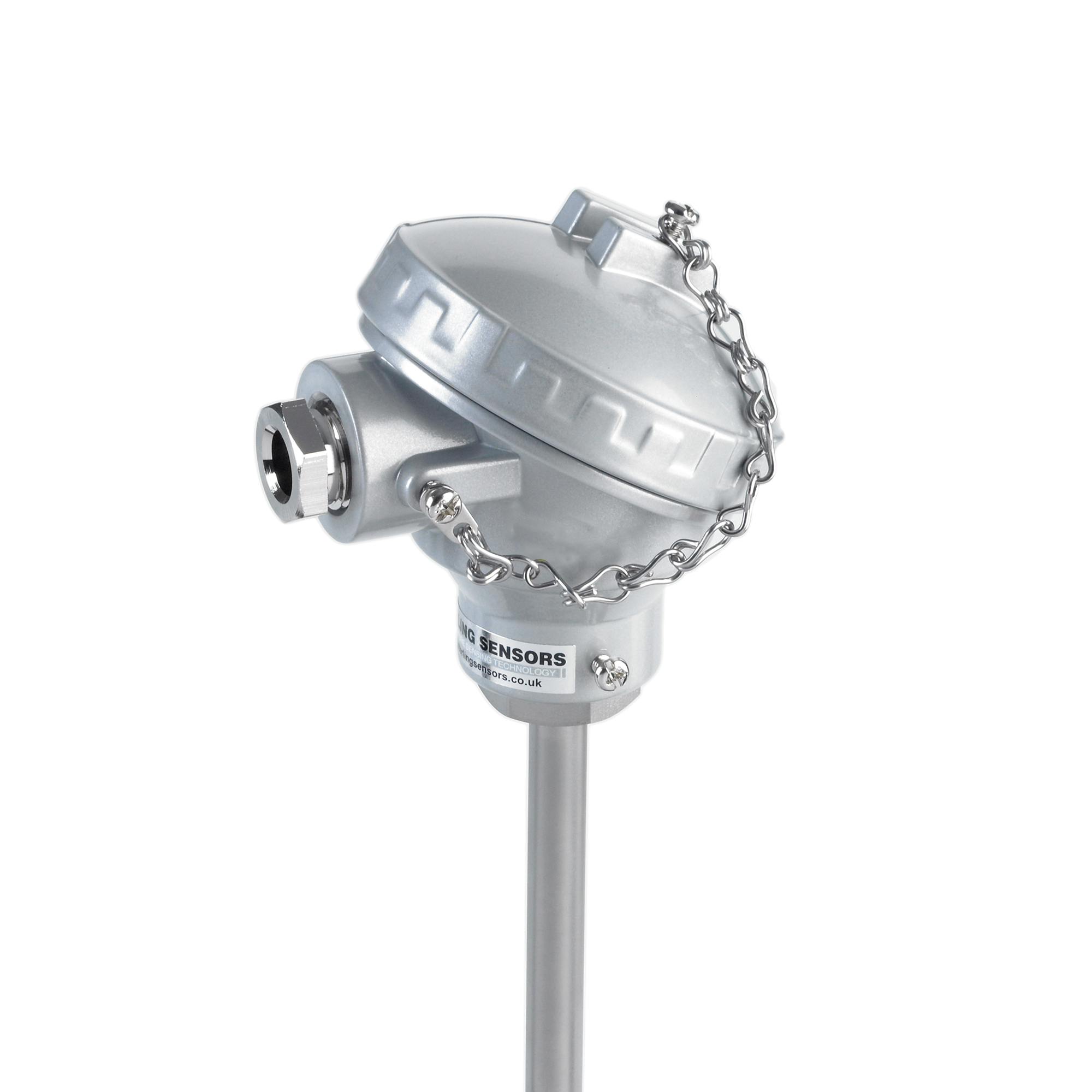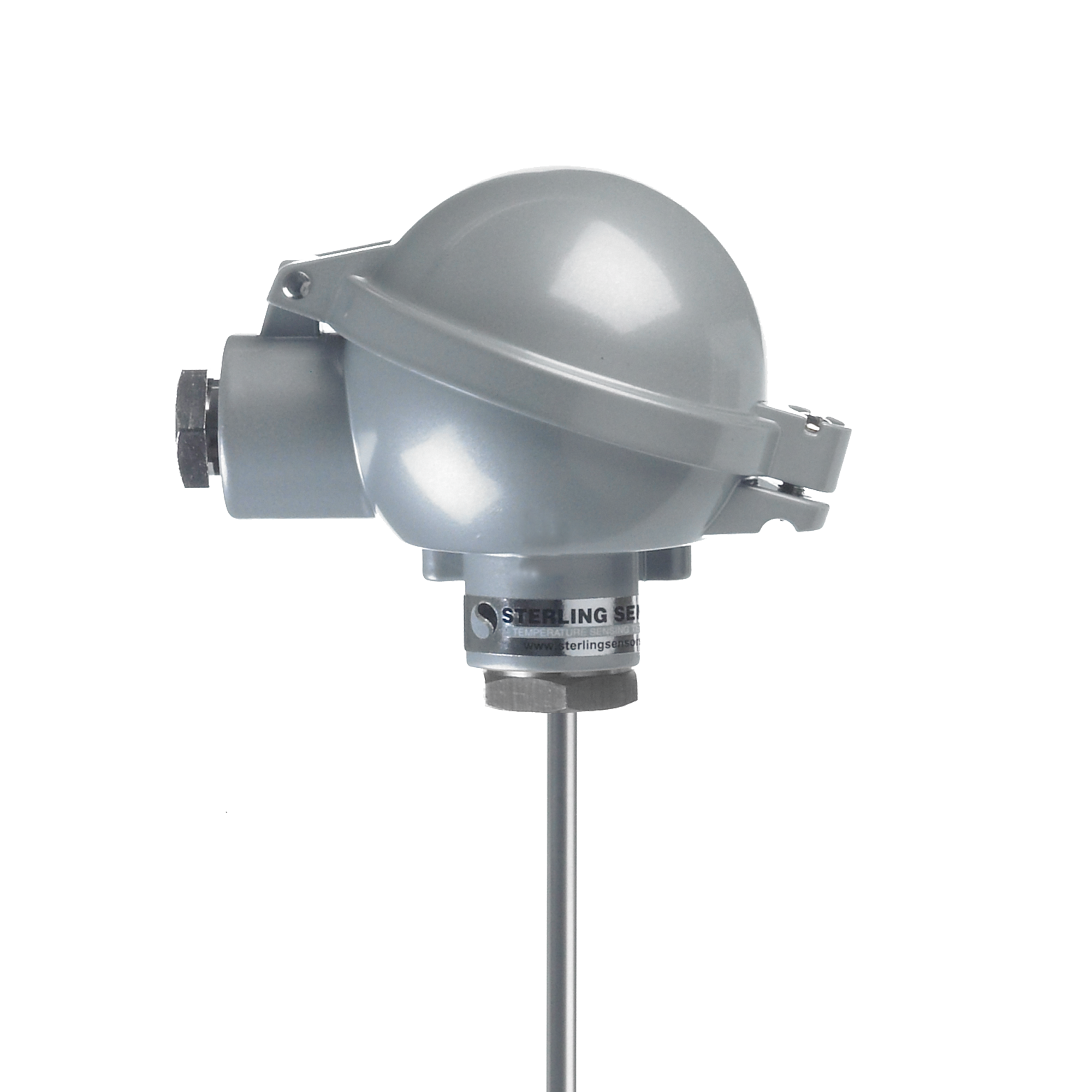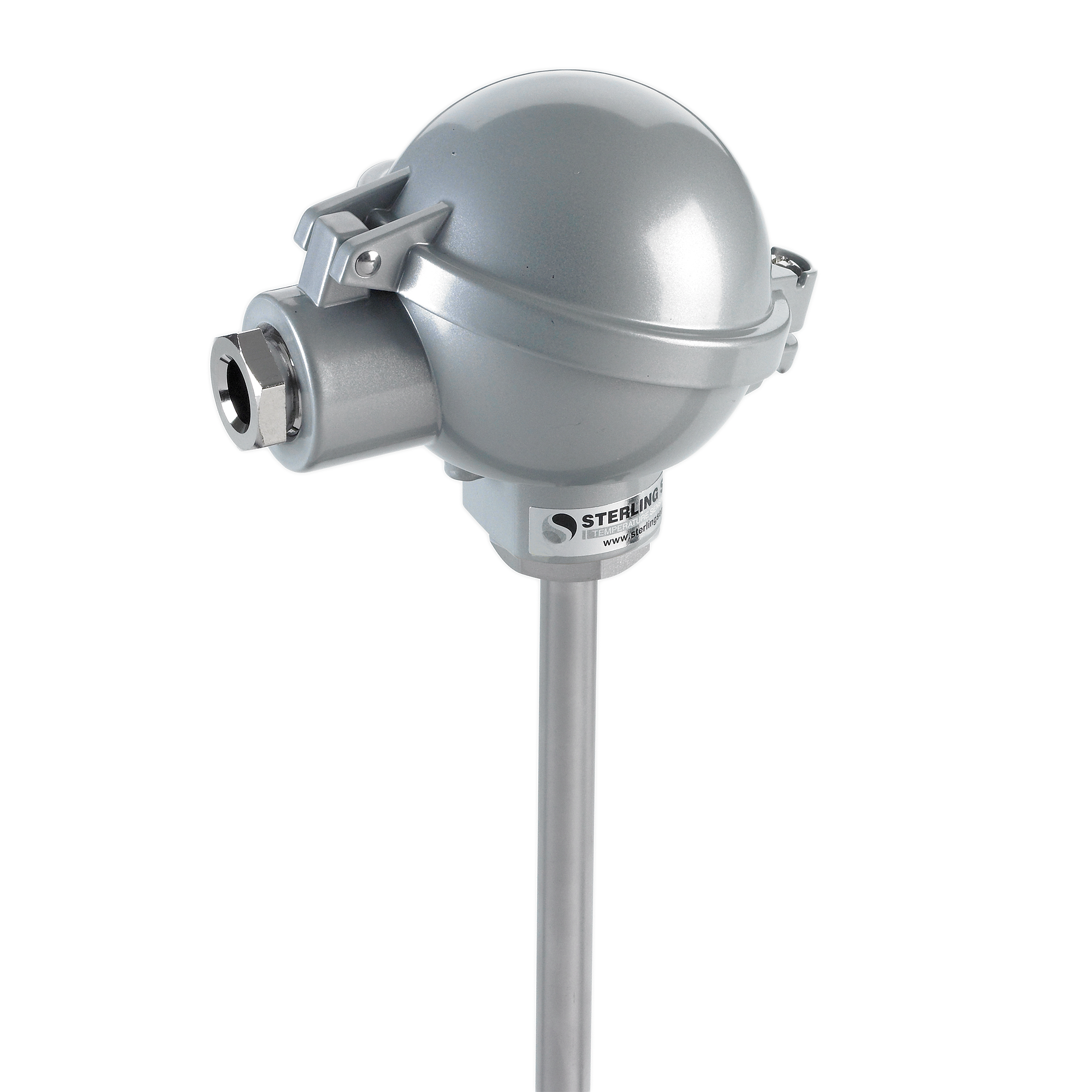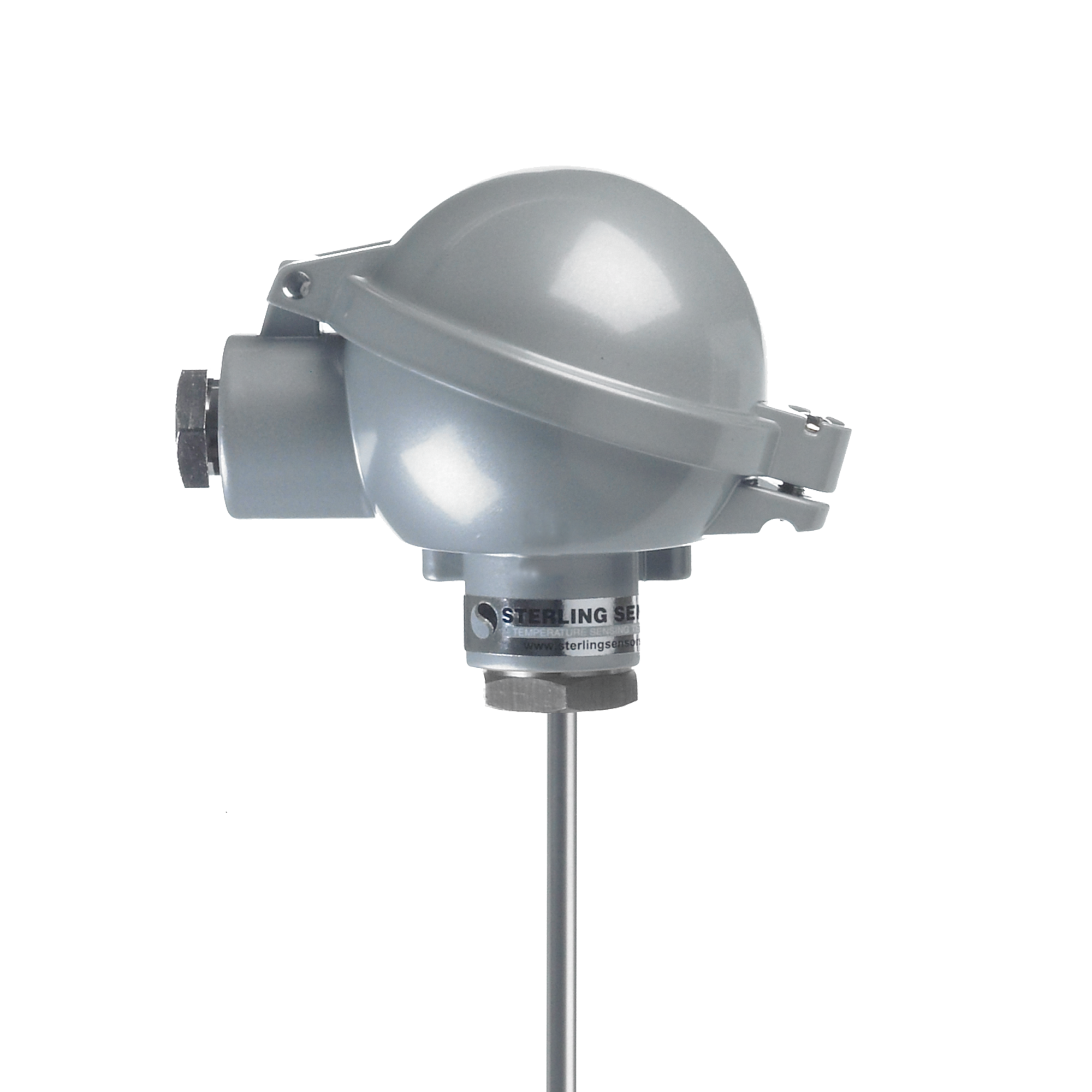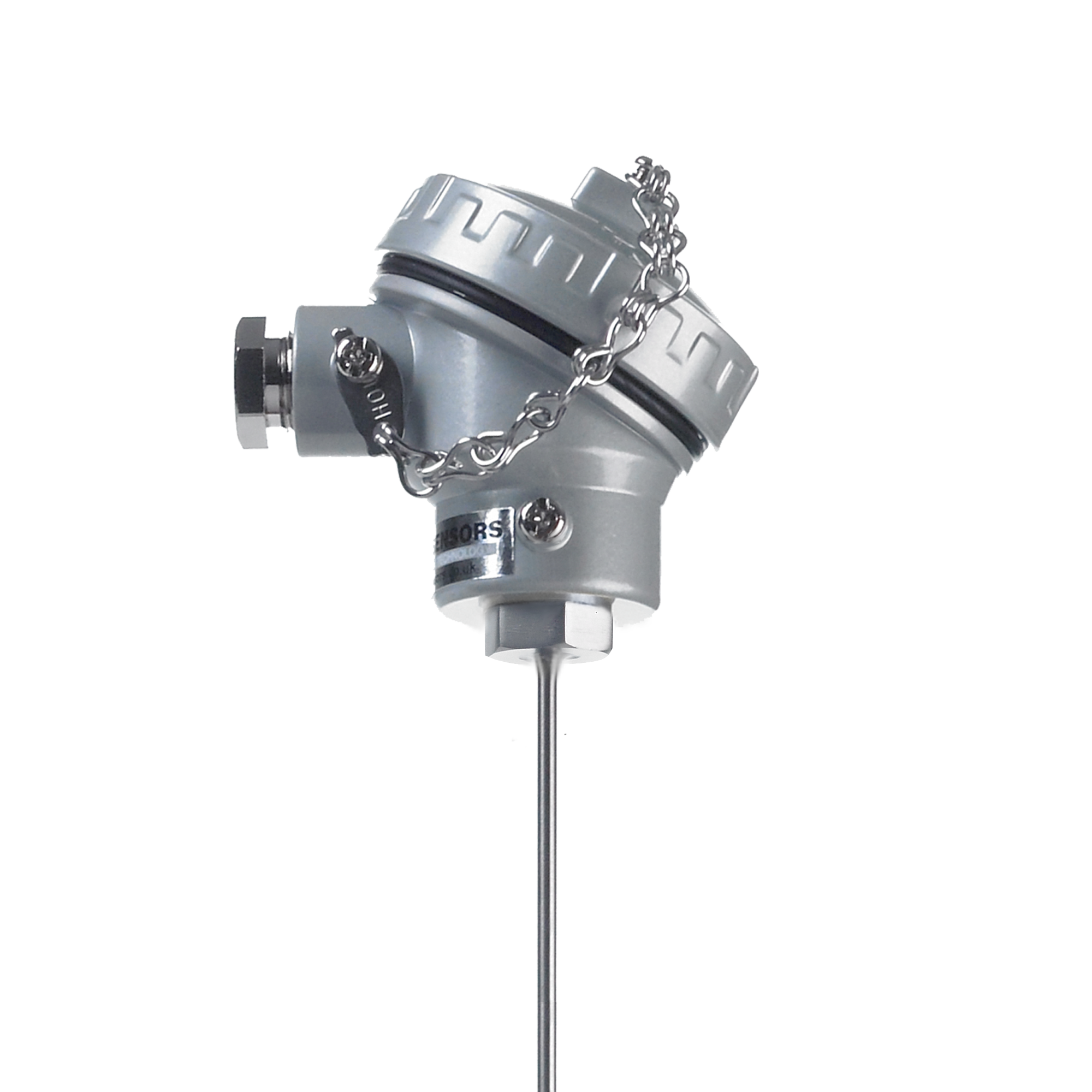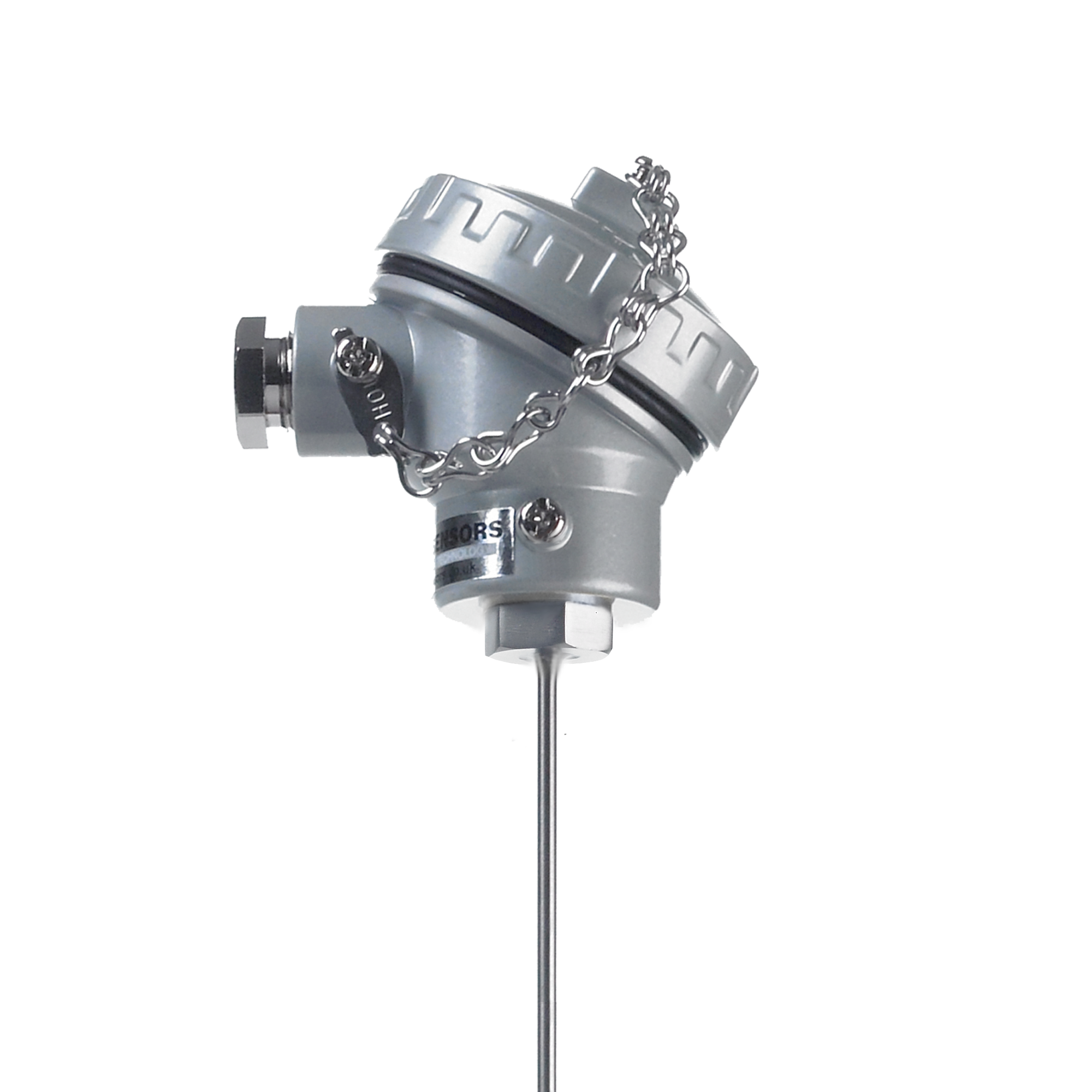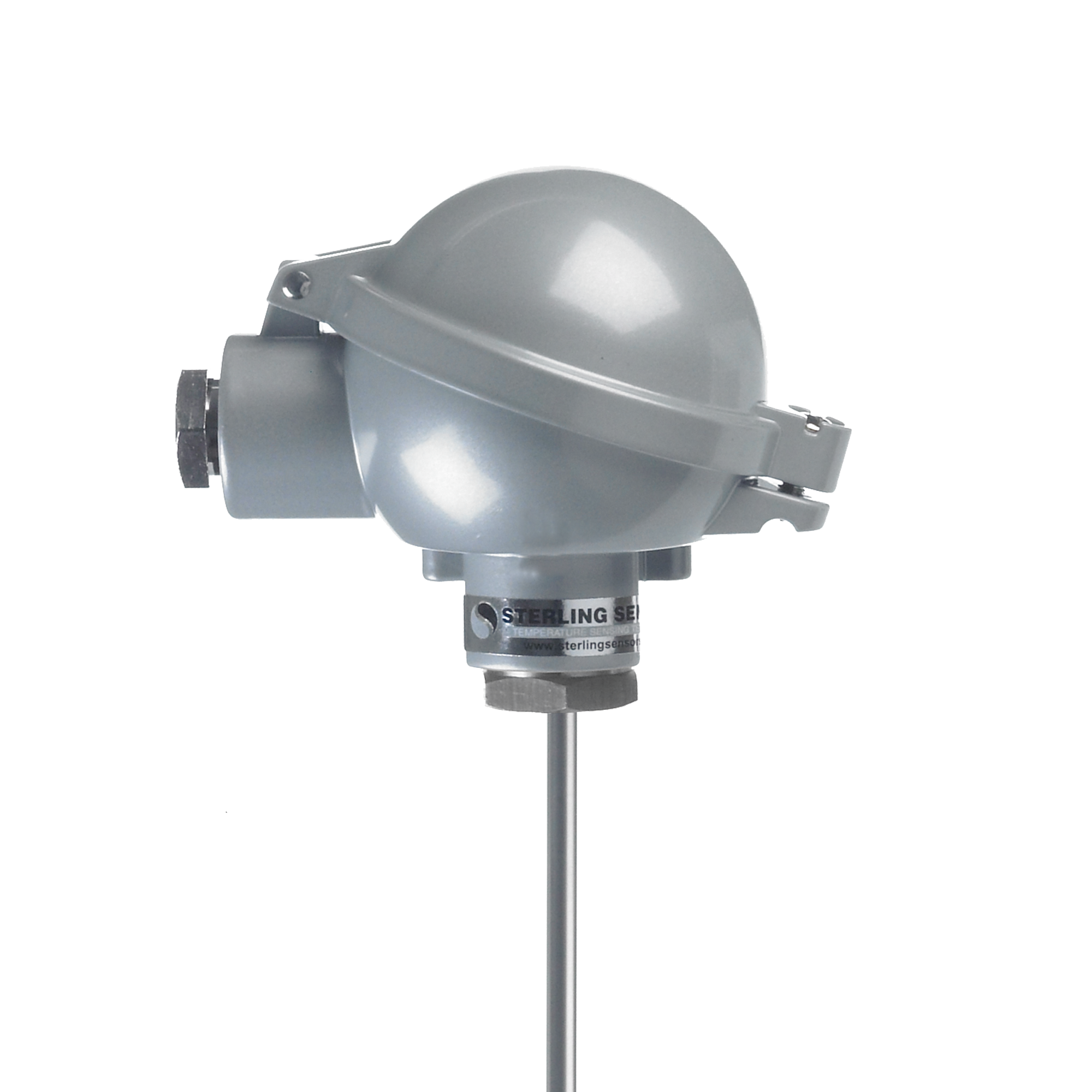
Industrial Head Thermocouples

17 products

Showing 1 - 17 of 17 products

Showing 1 - 17 of 17 products
View

Industrial Head Thermocouples FAQ

A thermocouple is a temperature-measuring device made from two dissimilar metal wires joined at one end, forming a junction. When this junction experiences a temperature change, it produces a small voltage due to the Seebeck effect. This voltage varies with temperature and can be measured to determine the temperature at the junction. 

Thermocouples are widely used in various industries due to their durability, low cost, and the ability to measure a broad temperature range. Common types include Type K, J, T, and N, each are suited for specific temperature ranges and applications. They are often used in furnaces, engines, ovens and other industrial processes where temperature monitoring is essential. 

Thermocouples do not require an external power source, making them easy to use and reliable. However, their accuracy can be influenced by electrical noise or incorrect calibration. Despite this, thermocouples remain one of the most popular tools for temperature sensing across many fields.

Thermocouples come in various types, classified by the combination of metals used and their temperature ranges, sensitivities, and applications. The most common types include Type K, J, T, E, N, R, S, and B.

Type K (Nickel-Chromium/Nickel-Alumel) is the most widely used, suitable for general-purpose use up to about 1300°C. Type J (Iron/Constantan) works well in lower temperatures (up to 750°C) but oxidizes quickly in moist atmospheres. Type T (Copper/Constantan) offers excellent accuracy at low temperatures,  and they are often used for cryogenic applications. Type E (Chromel/Constantan) provides a stronger signal and is good for low-temperature applications. Type N (Nicrosil/Nisil) is stable and accurate at high temperatures, making it suitable for industrial use.

For high-temperature applications, Type R, S and B (all using platinum alloys) are used. These types are often used in laboratories or in the metal processing industries.

Yes. Sterling ITI manufactures industrial thermocouples in the UK, producing high-quality temperature sensors for OEMs, machine builders and industrial process applications. Our experienced team can manufacture standard and custom thermocouples to suit your exact requirements, including a choice of thermocouple types, sheath materials, probe lengths, process connections, terminal heads and cable configurations.

Manufacturing in the UK allows us to offer fast lead times, expert technical support and consistent quality, with solutions suitable for industries including food processing, pharmaceuticals, chemical processing, manufacturing, energy and HVAC. Whether you need a one-off replacement sensor or a large production batch, we can provide reliable, application-specific thermocouples built to your specification.

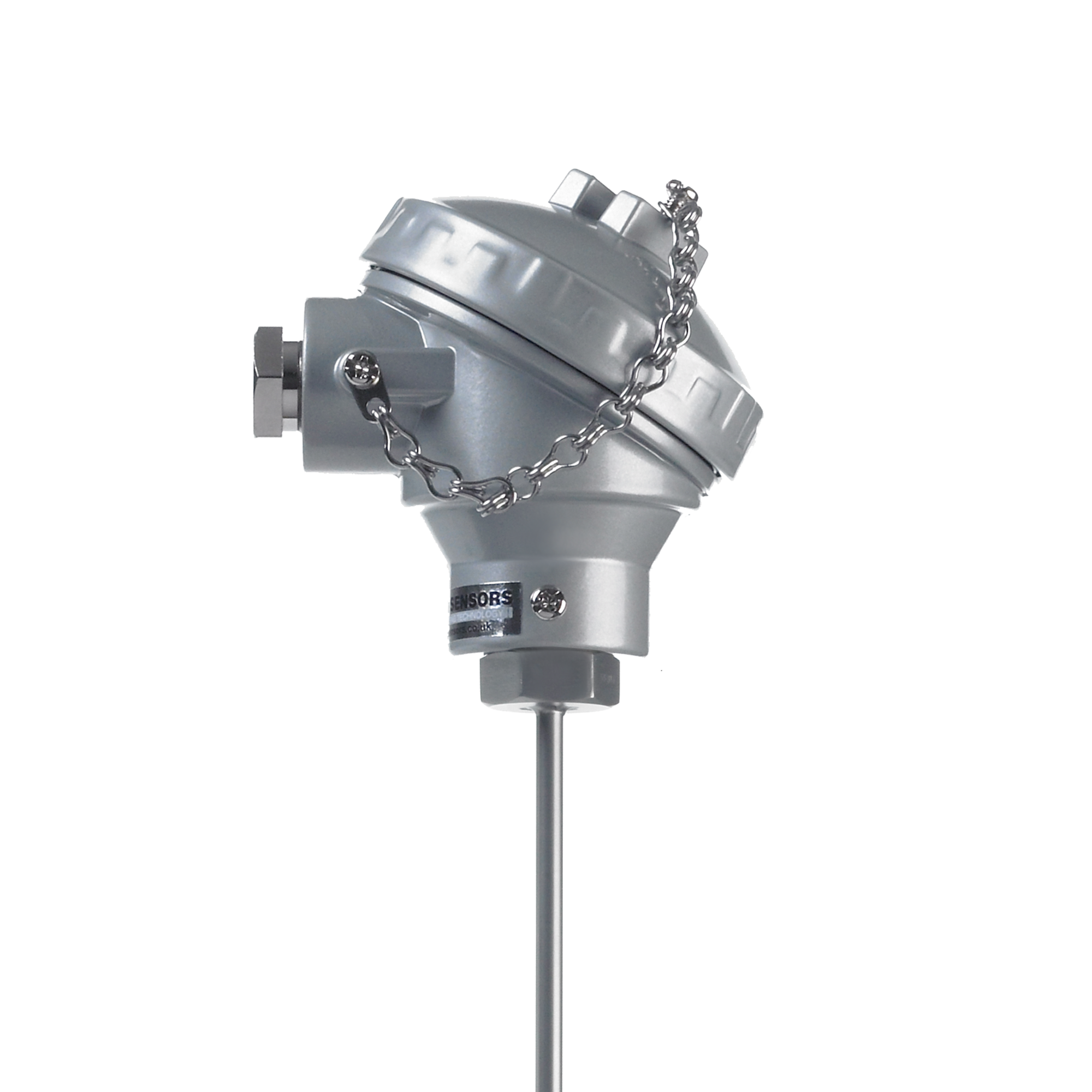
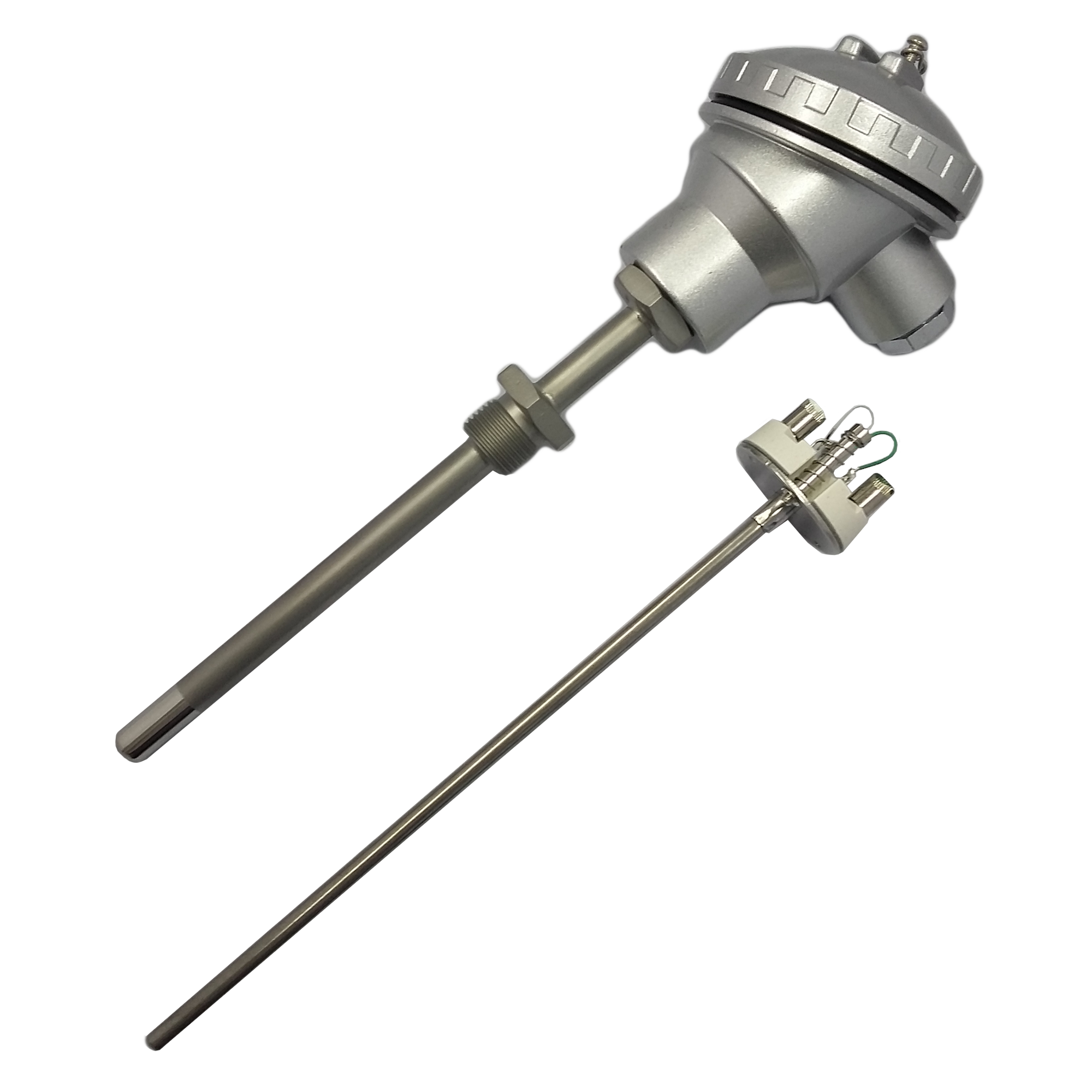
Industrial head thermocouples are used across a wide range of industries where reliable, accurate temperature measurement is required in demanding environments. Their robust connection head protects the terminal block or transmitter from dust, moisture and mechanical damage, making them ideal for permanent process installations.

Common industries include:


  • Manufacturing – Monitoring machinery, ovens, heat treatment processes and production equipment.

  • Chemical & Process Plants – Measuring process temperatures in tanks, pipelines, reactors and vessels.

  • Food & Beverage – Temperature control during cooking, pasteurisation, brewing and food processing using hygienic designs where required.

  • Pharmaceutical – Ensuring accurate temperature monitoring in production, sterilisation and cleanroom processes.

  • Oil & Gas – Monitoring temperatures in refineries, pipelines, compressors and process equipment.

  • Power Generation – Measuring temperatures in boilers, turbines, generators and heat recovery systems.

  • Water & Wastewater – Controlling temperatures in treatment plants and associated process equipment.

  • HVAC & Building Services – Monitoring heating systems, boilers and industrial air handling equipment.

  • Steel & Metal Processing – Heat treatment, furnaces, foundries and metal manufacturing.

  • Plastics & Rubber Processing – Injection moulding, extrusion and other temperature-critical manufacturing processes.

Yes. Most industrial head thermocouples are specifically designed to accommodate a temperature transmitter inside the connection head.

A head-mounted temperature transmitter converts the thermocouple's low-level millivolt signal into a standard industrial output, typically 4–20 mA, although some transmitters also support HART®, Profibus® or Modbus® communication.

Benefits of fitting a temperature transmitter


  • Improved signal integrity – Reduces the effects of electrical noise and signal loss over long cable runs.

  • Long-distance transmission – A 4–20 mA signal can be transmitted hundreds of metres with minimal interference.

  • Better accuracy – Many transmitters provide cold junction compensation, linearisation and improved measurement stability.

  • Easy integration – Connects directly to PLCs, SCADA systems, data loggers and process controllers.

  • Diagnostics – Smart transmitters can provide fault detection and configuration information.

Where is the transmitter installed?

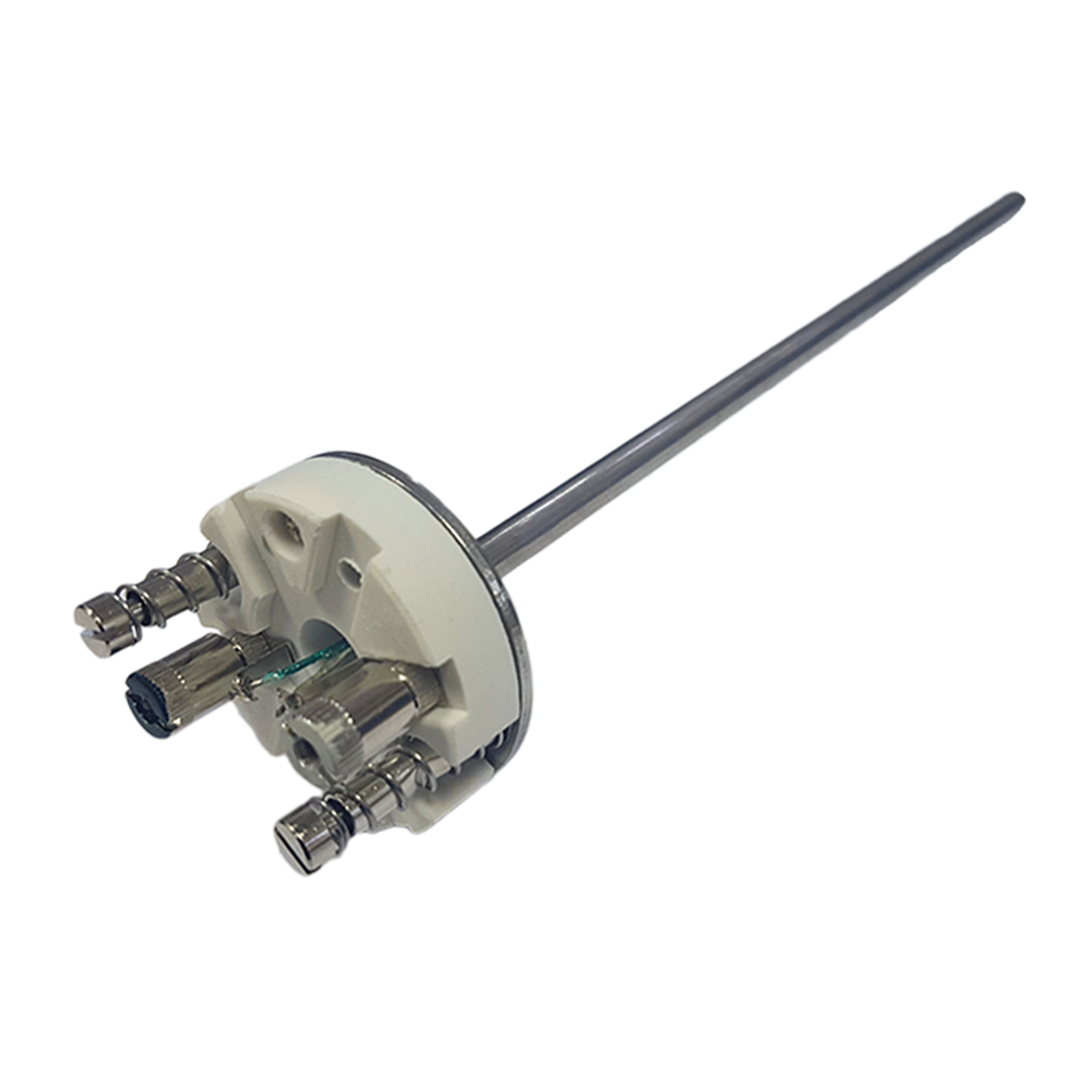
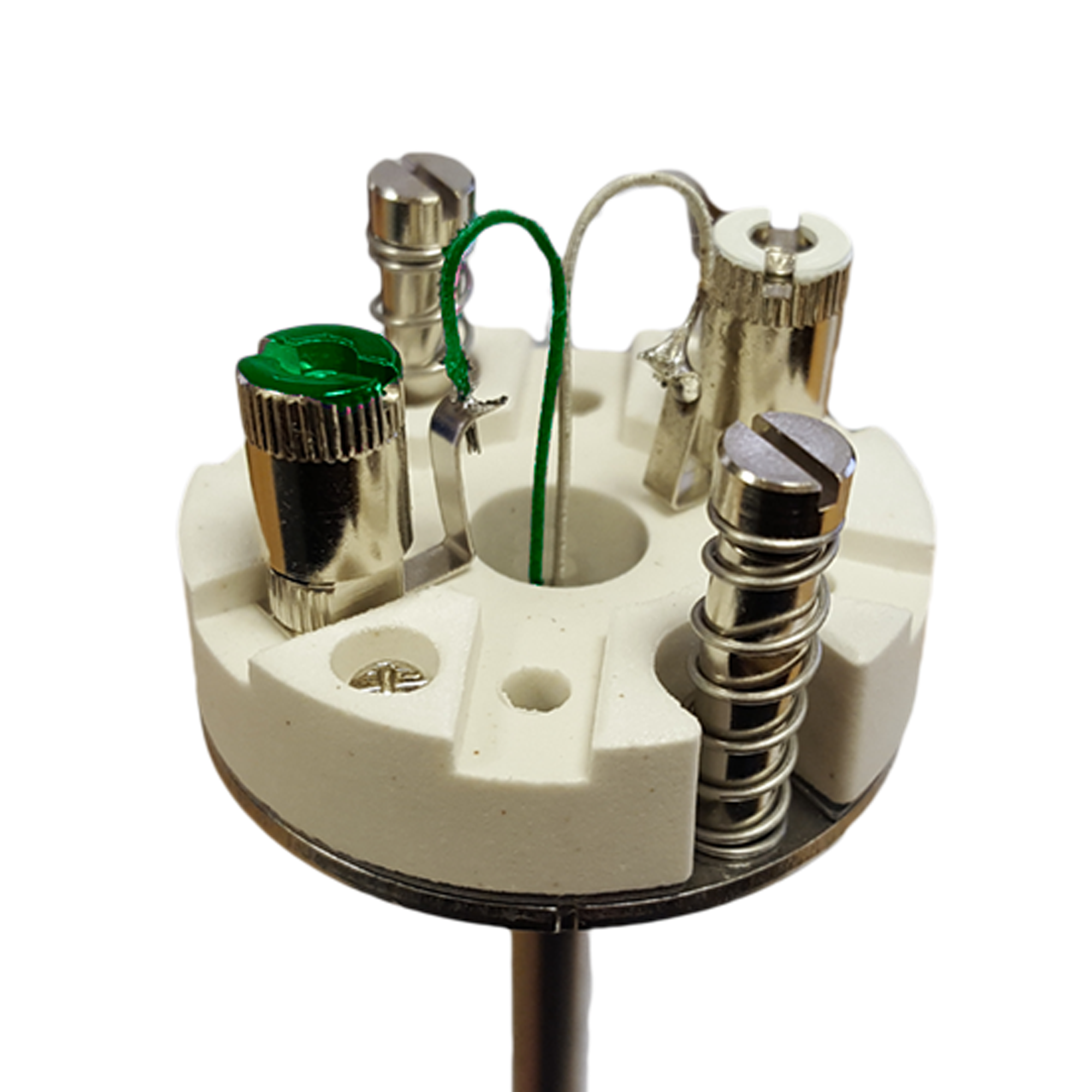
The transmitter is typically mounted inside the industrial connection head, directly above the thermocouple terminal block. This protects it from the environment while keeping it close to the sensing element for the best performance.

Can existing thermocouples be upgraded?

In many cases, yes. If the connection head has sufficient space and the thermocouple is compatible, a head-mounted transmitter can often be fitted to an existing industrial thermocouple, allowing older installations to be upgraded without replacing the complete sensor.

This is a common solution in industries such as chemical processing, food manufacturing, pharmaceuticals, oil & gas, power generation and water treatment, where reliable signal transmission is essential.

Recently viewed