Digital Pressure Guage

6 products

Showing 1 - 6 of 6 products

Showing 1 - 6 of 6 products
View

Digital Pressure Guage FAQ

Pressure can be measured in various units depending on the system and region. The Pascal (Pa) is the SI unit of pressure, defined as one newton per square meter (N/m²). Since the Pascal is relatively small, kilopascals (kPa) and megapascals (MPa) are commonly used in practical applications.

Another widely used unit is pounds per square inch (psi), especially in the United States. It measures the force in pounds applied over one square inch. Bar is another metric unit, where 1 bar equals 100,000 Pascals, commonly used in industrial and automotive applications.

Other units include atmospheres (atm), where 1 atm equals 101,325 Pa, which is the average atmospheric pressure at sea level. Millimeters of mercury (mmHg) and inches of mercury (inHg) are traditional units used in medical and meteorological fields. Choosing the correct unit depends on the application, industry standards, and required precision for pressure measurement.

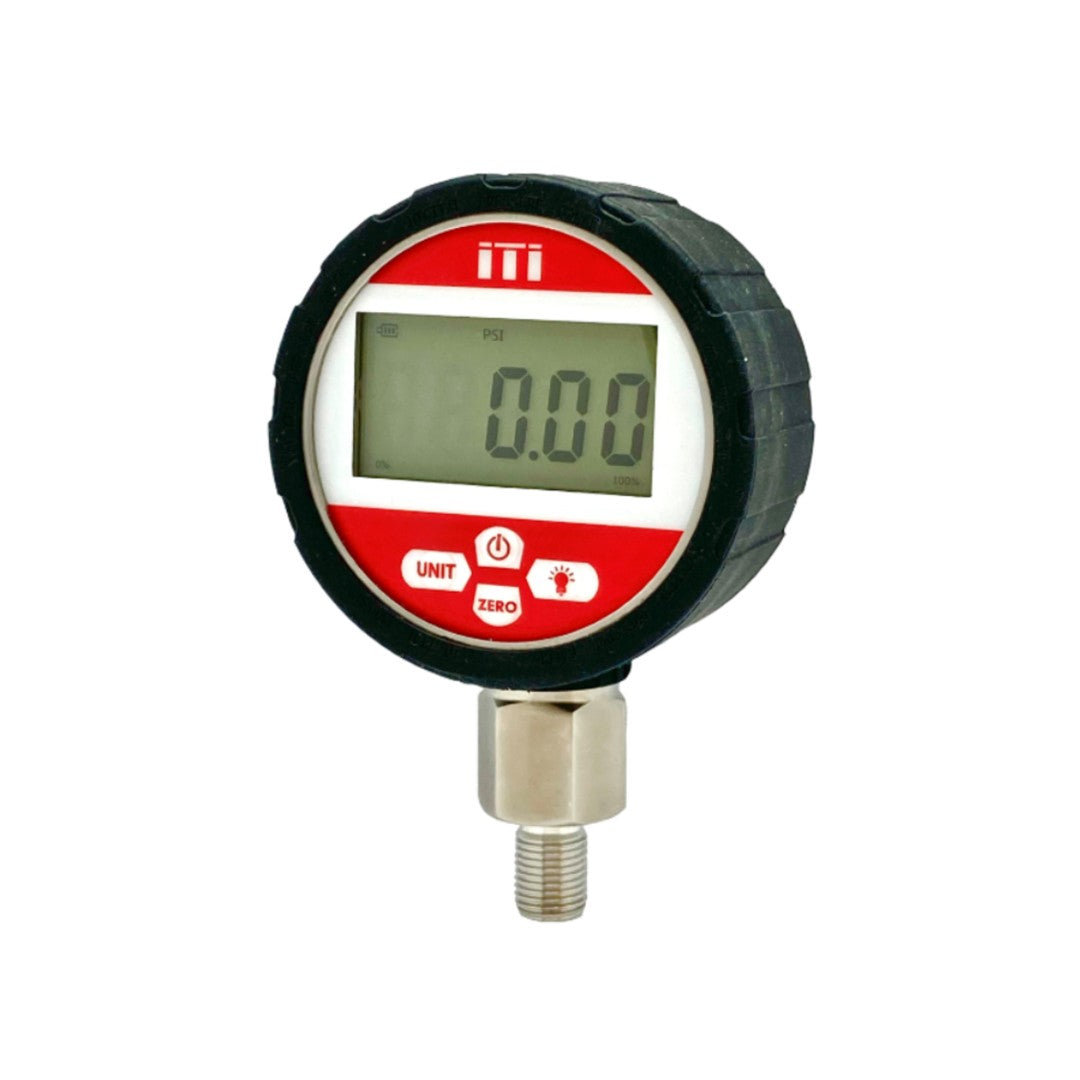
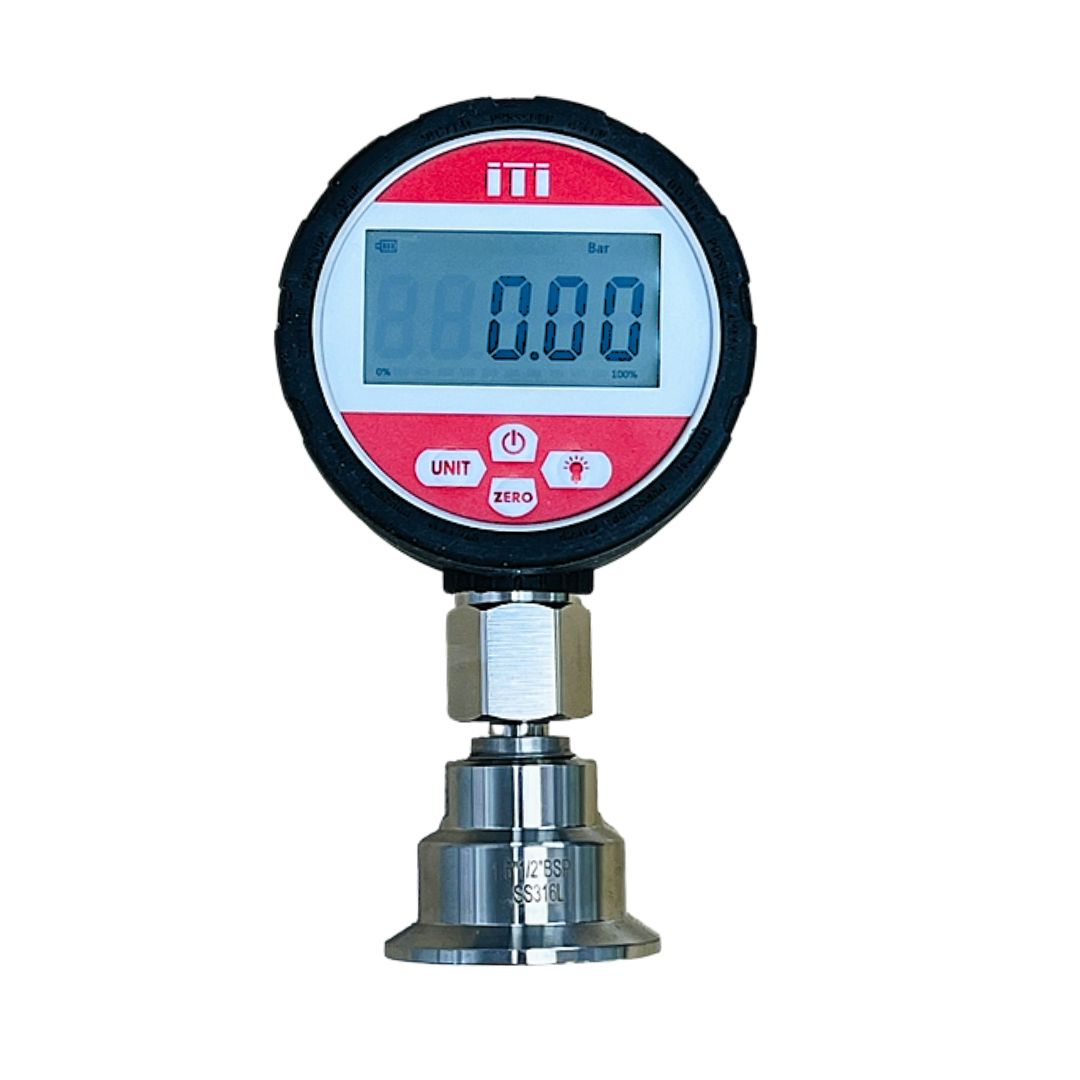
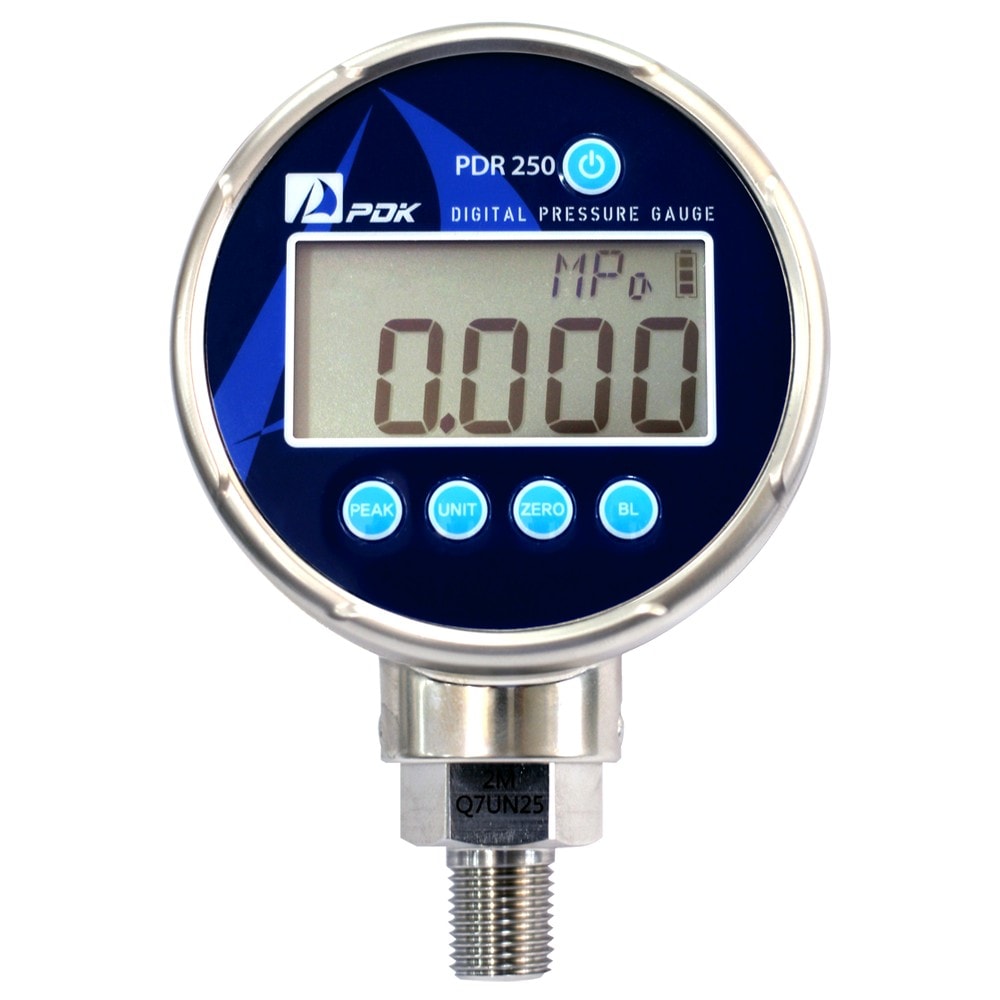
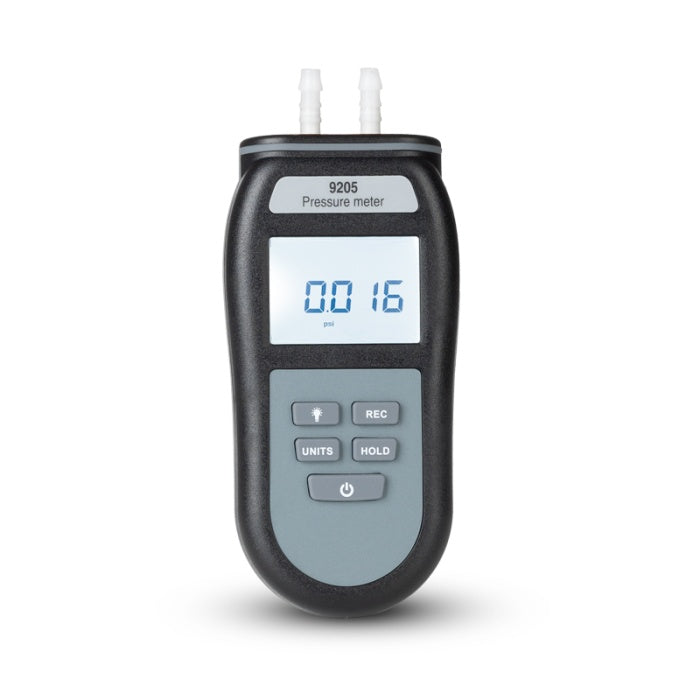
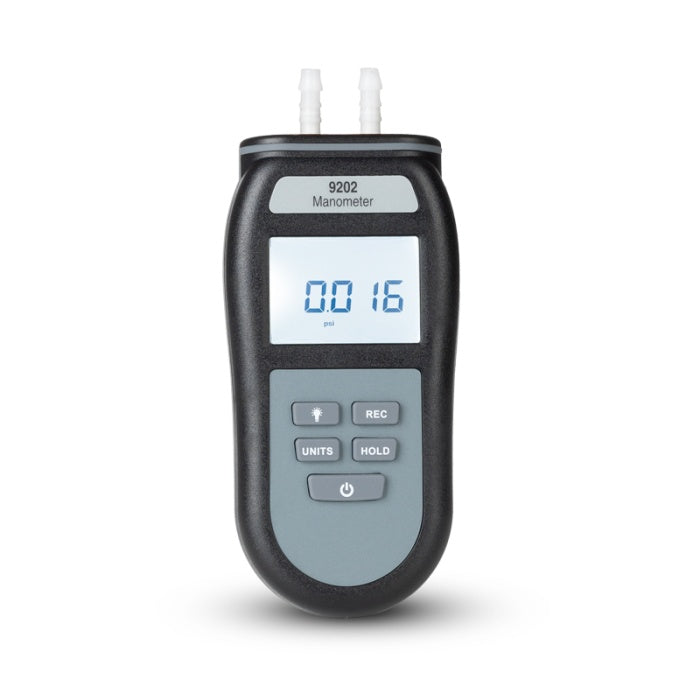
A digital pressure gauge works by converting the force of applied pressure into an electronic signal that can be displayed on a digital screen. Inside the gauge, a sensor—often a piezoresistive, strain gauge, or capacitive element—detects pressure changes as a force acting on a diaphragm. When pressure is applied, the diaphragm flexes, and the sensor translates this movement into an electrical signal. The signal is then processed by the gauge’s internal electronics and shown as a precise pressure reading in units such as psi, bar, or kPa. Unlike traditional analog gauges, digital gauges eliminate mechanical parts that can wear out, offering greater accuracy, durability, and readability. Many models also include features like backlighting, data logging, or customizable units, making them suitable for a wide range of applications—from industrial systems to laboratory testing. In short, digital pressure gauges provide a reliable, easy-to-read measurement of system pressure.

Pressure gauges are essential instruments used to measure and monitor pressure in various systems, ensuring safety, accuracy, and efficiency. They come in different types, each designed for specific applications and environments. The most common are Bourdon tube gauges, widely used in industrial settings for their reliability and durability. Diaphragm gauges are suitable for low-pressure measurement and applications involving corrosive or viscous media. Capsule gauges are ideal for very low-pressure readings, such as air or gas monitoring. Digital pressure gauges provide high accuracy with easy-to-read displays and advanced features like data logging. Differential pressure gauges measure the difference between two pressures, making them useful in filtration and flow applications. By understanding the different types of pressure gauges, businesses can choose the right tool to maintain system performance, enhance safety, and meet industry standards.

Recently viewed