
Our comprehensive range of temperature transmitters is designed to provide precise and reliable signal conversion for all thermocouple, thermistor, and RTD (Resistance Temperature Detector) types. Each transmitter ensures accurate transformation of temperature signals into standard 4–20 mA current loops or VDC (voltage) outputs.
Whether you need a transmitter for industrial process control, laboratory instrumentation, or environmental monitoring, our products deliver exceptional performance, stability, and compatibility. With easy installation, robust construction, and high accuracy, our transmitters are the ideal choice for maintaining consistent and reliable temperature measurement in any application.
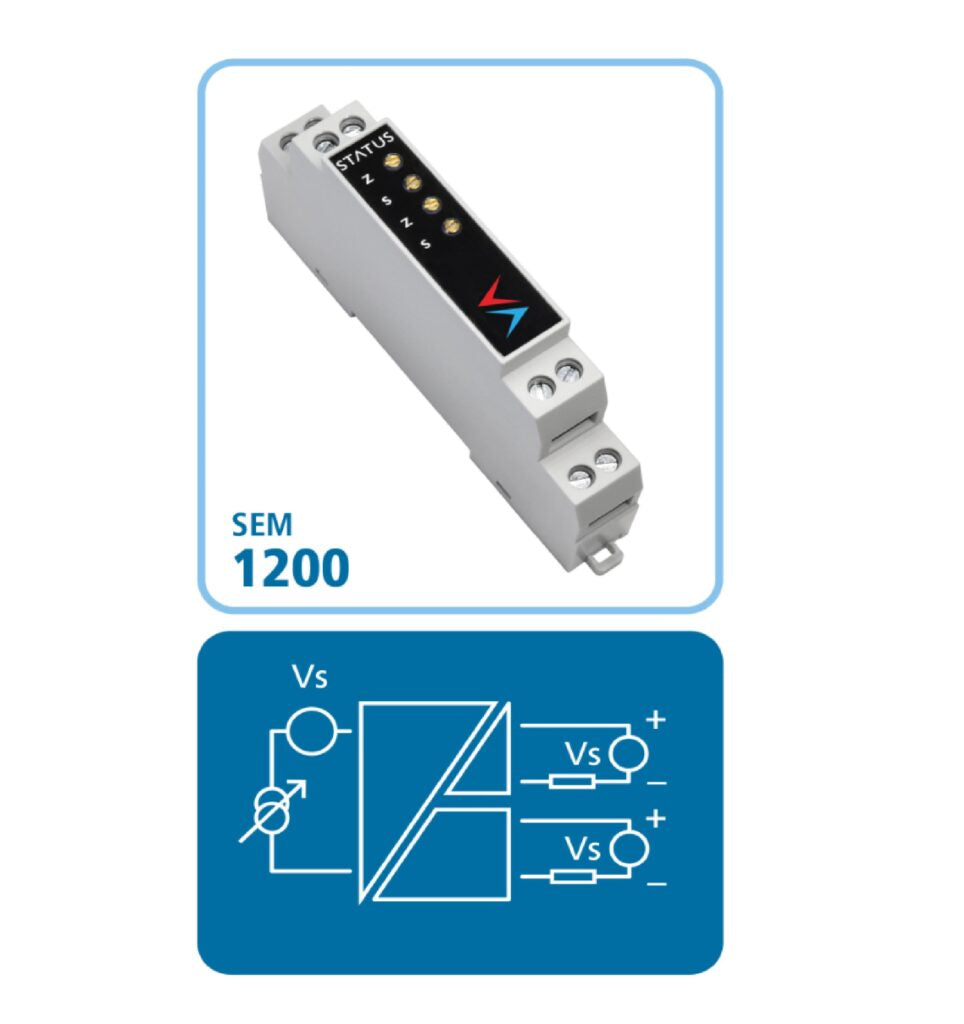
SEM1200 Passive (4 to 20) mA Loop Splitter
Sale price£155.40
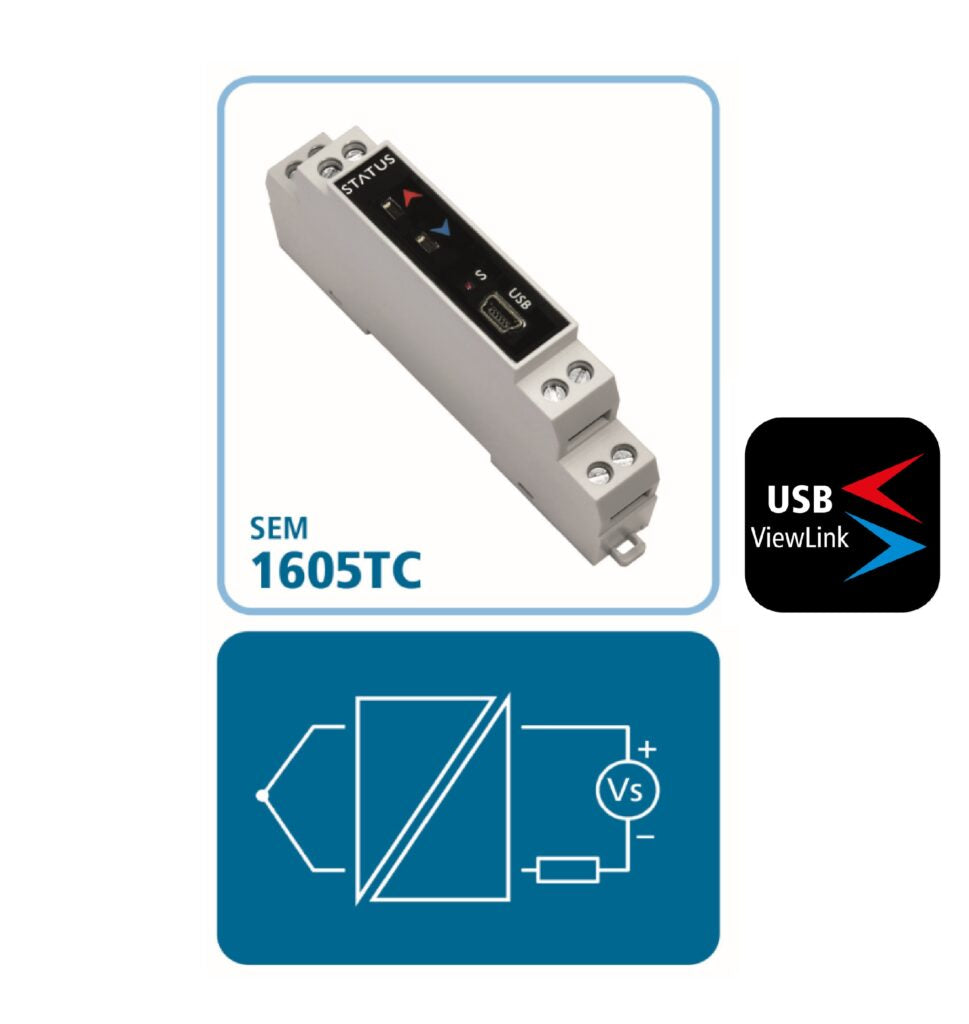
SEM1605T Din Rail Temperature Transmitter Thermocouple Input, mA Output
Sale priceFrom £89.30
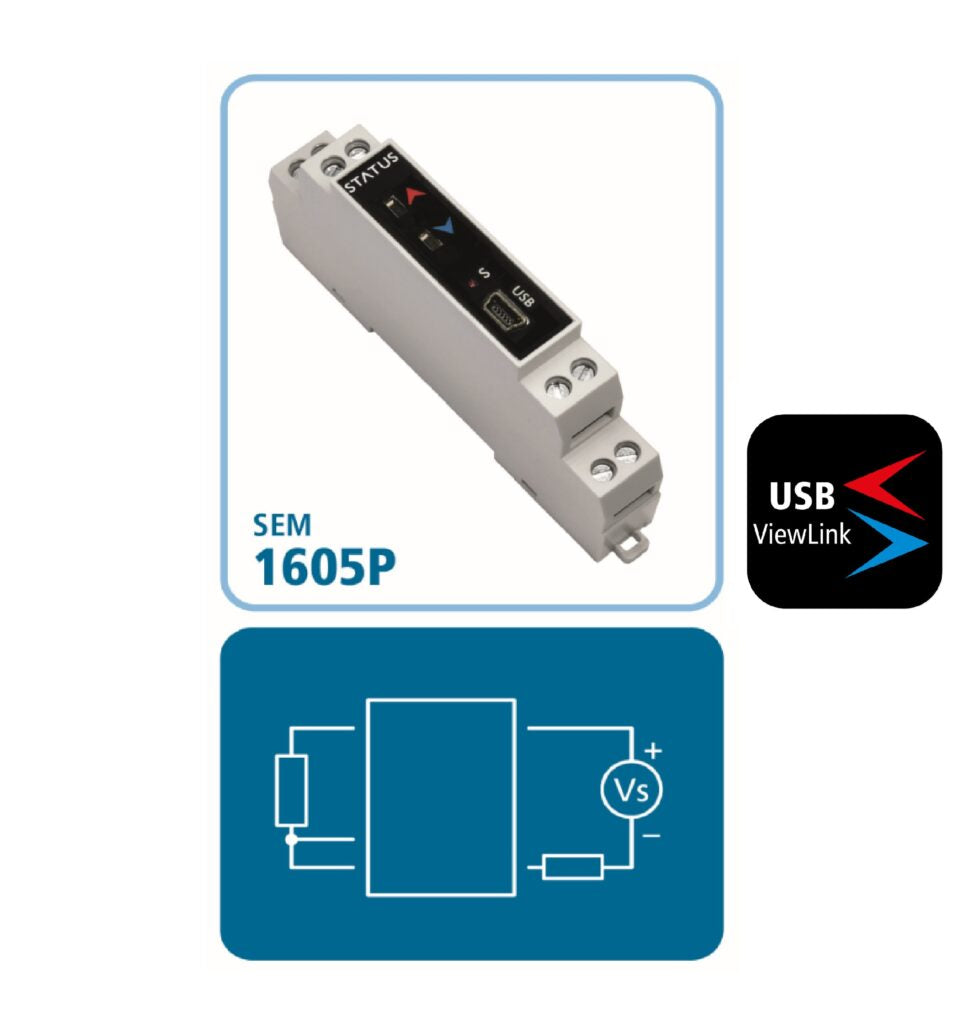
SEM1605P Din Rail Temperature Transmitter Pt100 Input, mA Output
Sale priceFrom £74.10
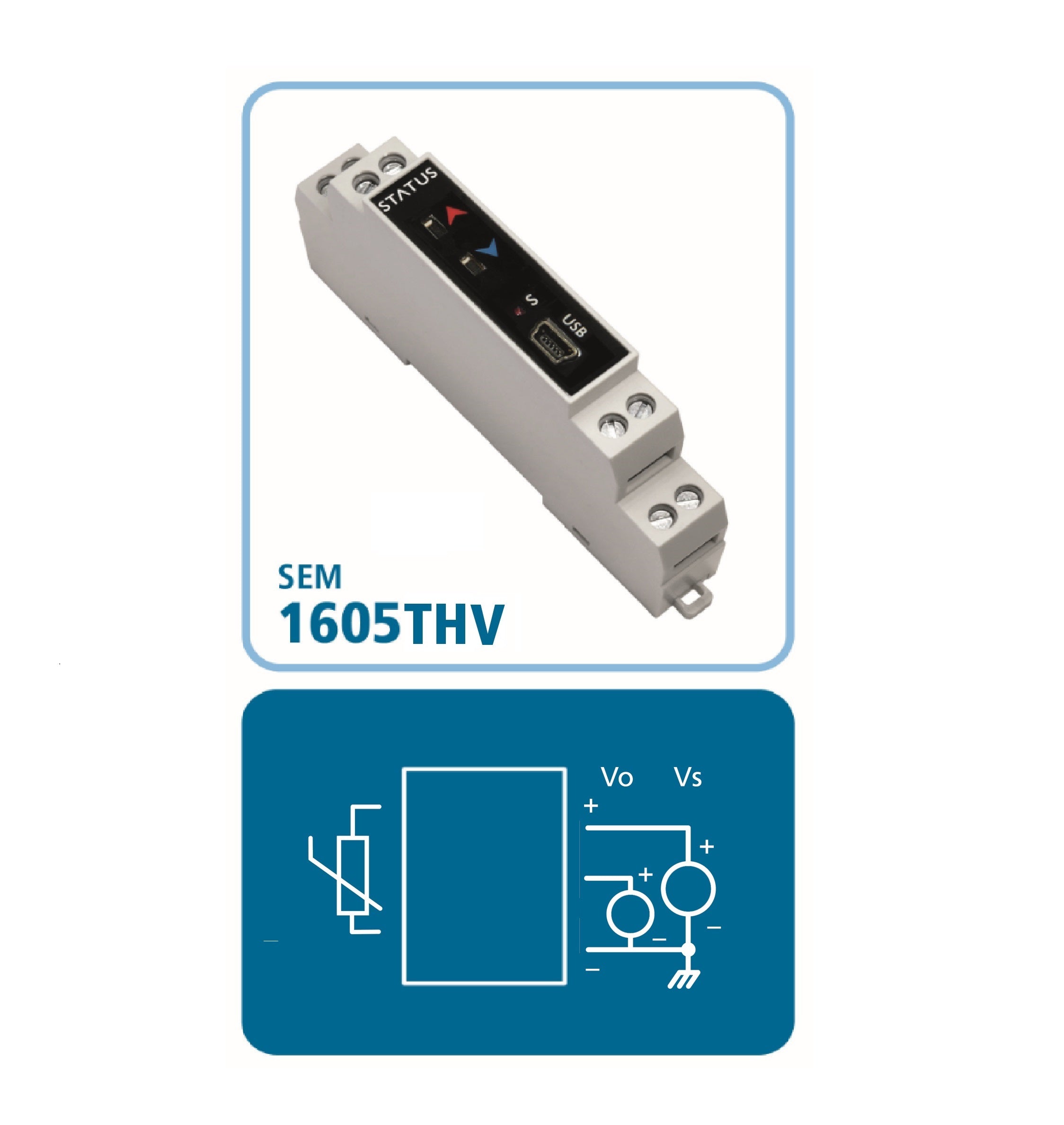
SEM1605TH/V Din Rail Temperature Transmitter Pt1000 & Thermistor Input, Voltage Output
Sale priceFrom £89.30
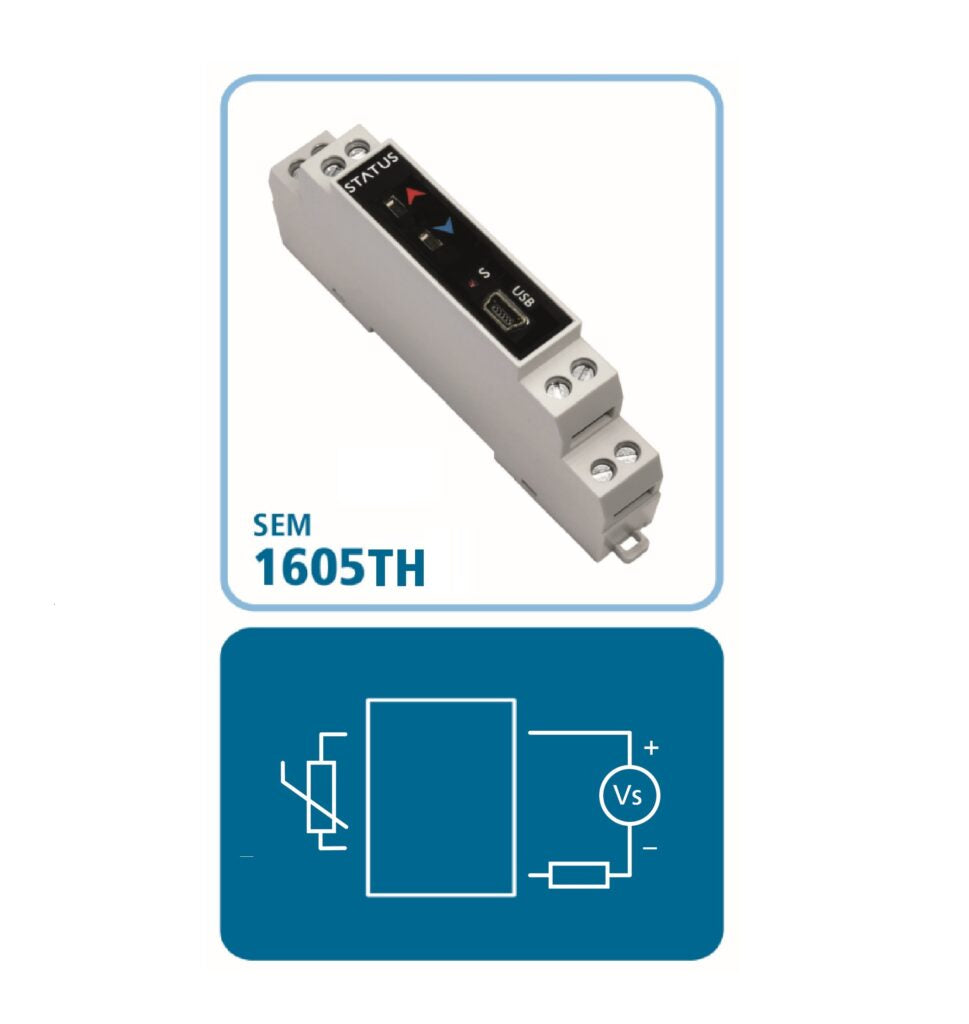
SEM1605TH Din Rail Temperature Transmitter Pt1000 & Thermistor Input, mA Output
Sale priceFrom £89.30
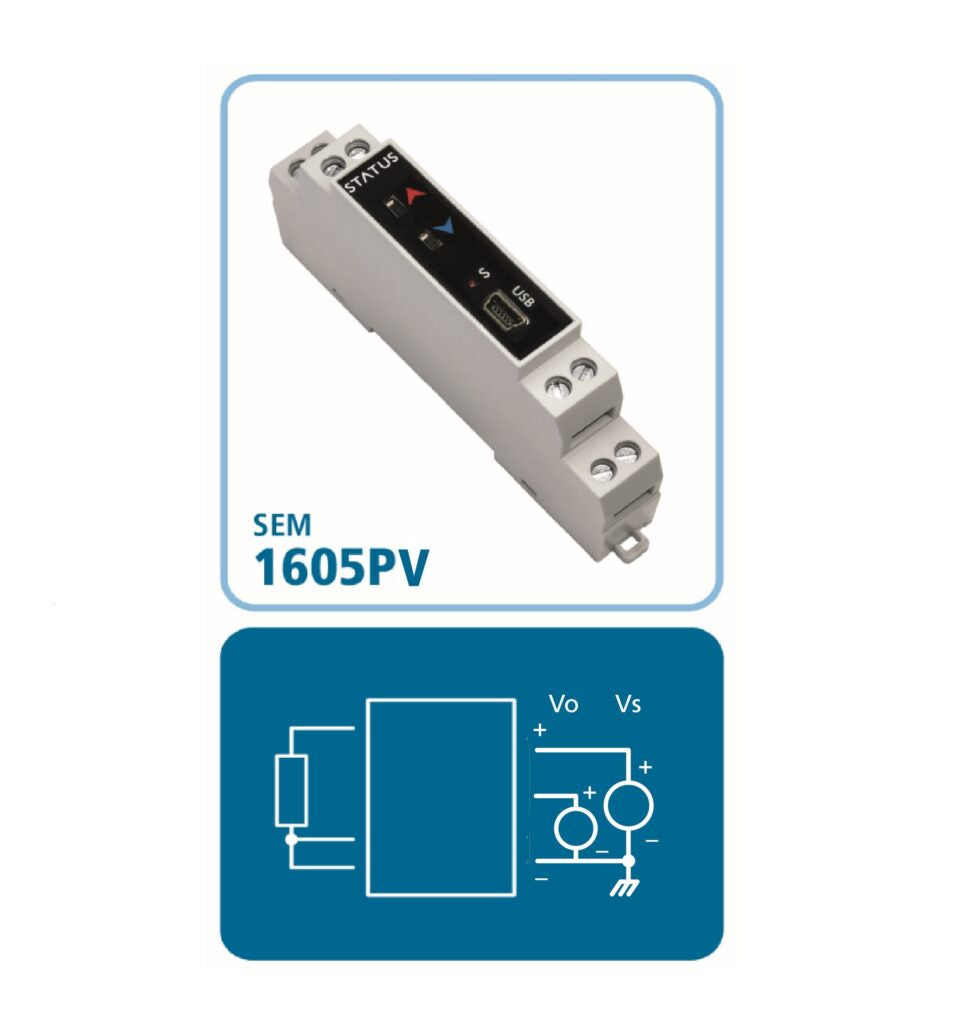
SEM1605P/V Din Rail Temperature Transmitter Pt100 Input, Voltage Output
Sale priceFrom £89.30
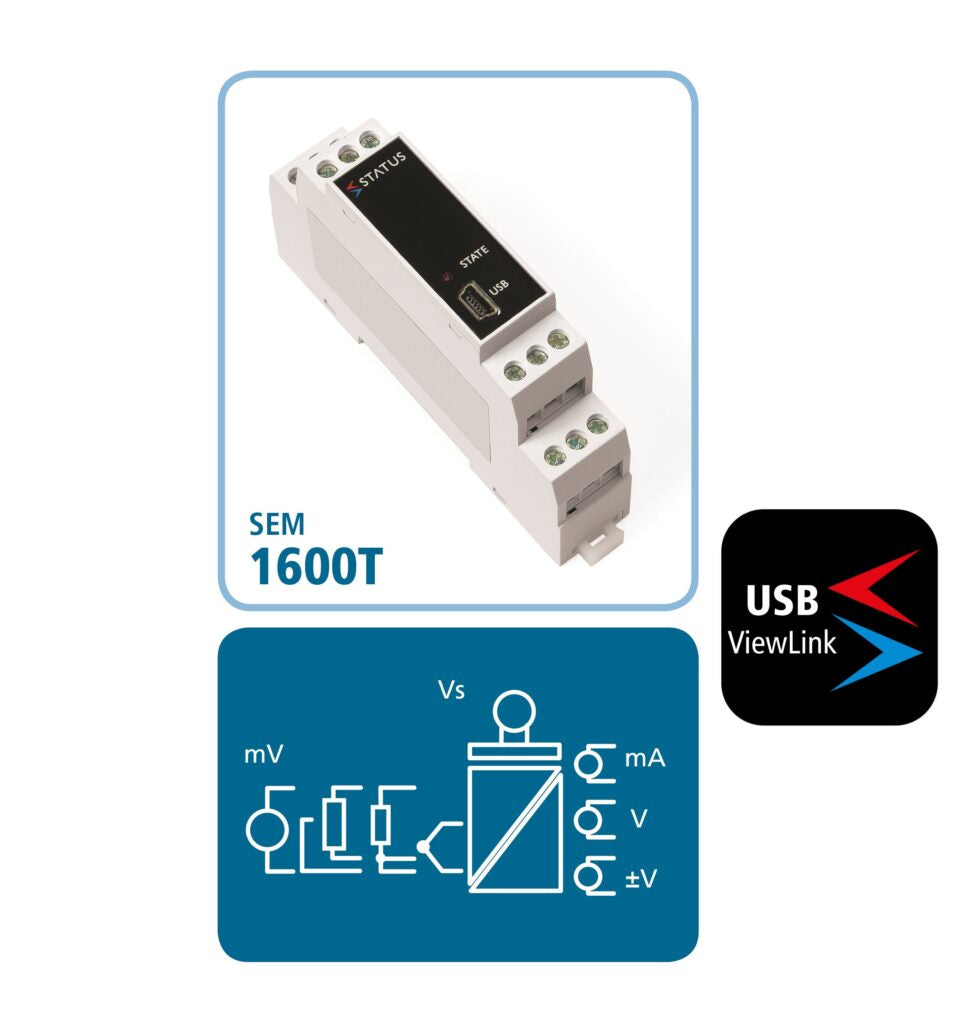
SEM1600T Signal Conditioner Temperature Input, mA or Voltage Output
Sale priceFrom £147.00
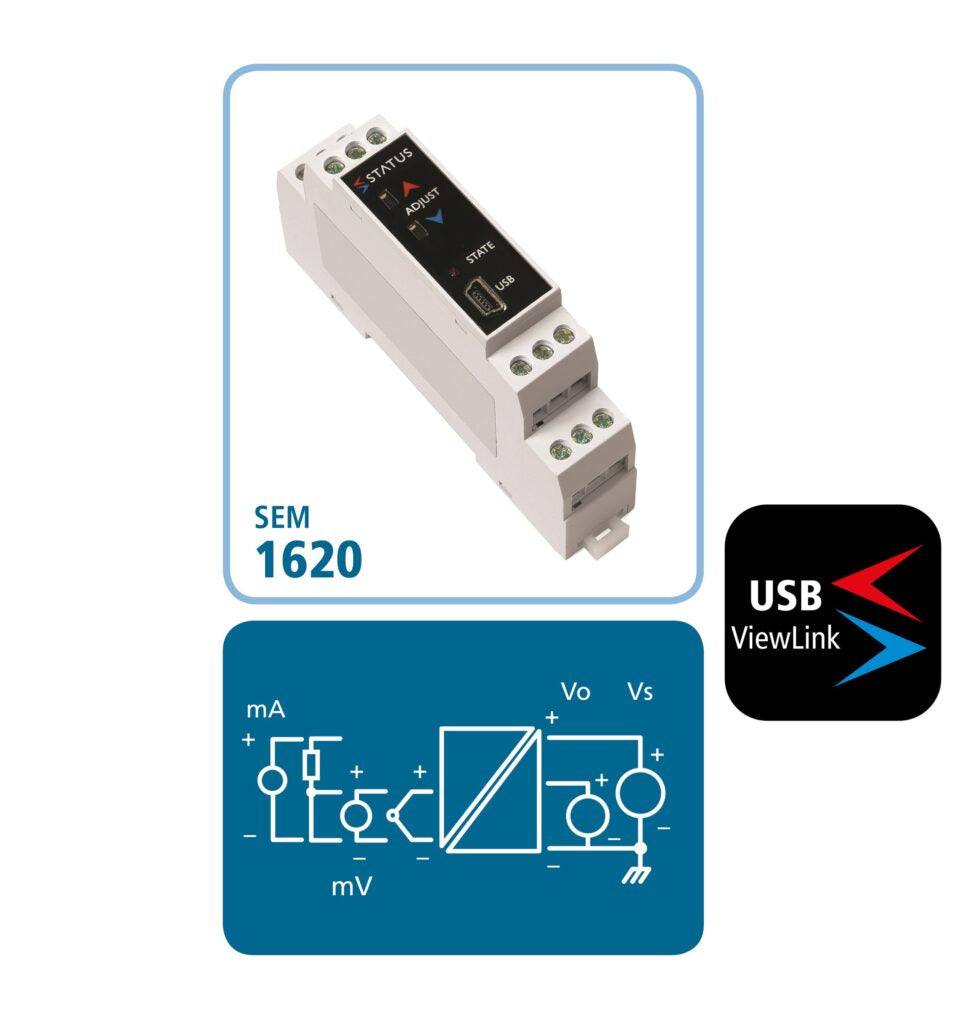
SEM1620 Signal Conditioner Universal Input, Voltage Output
Sale priceFrom £152.00
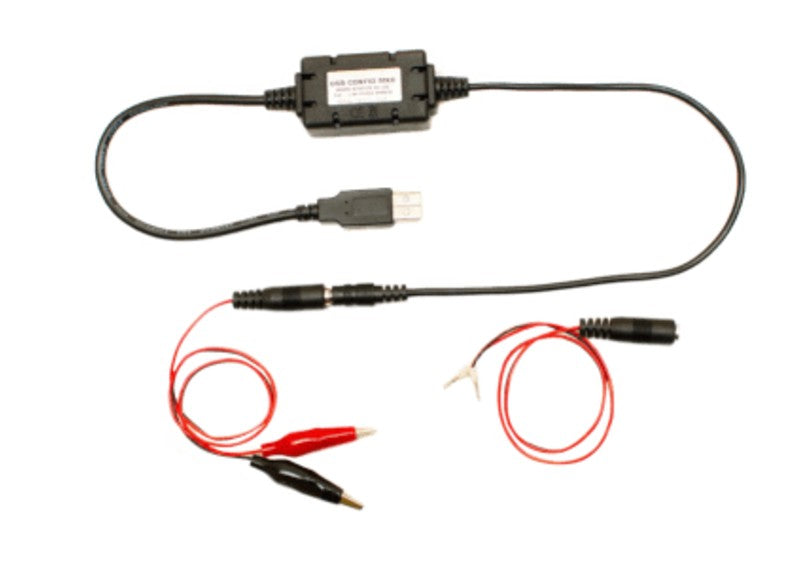
USB-CONFIG-MK3 Transmitter Programming Kit
Sale price£75.00
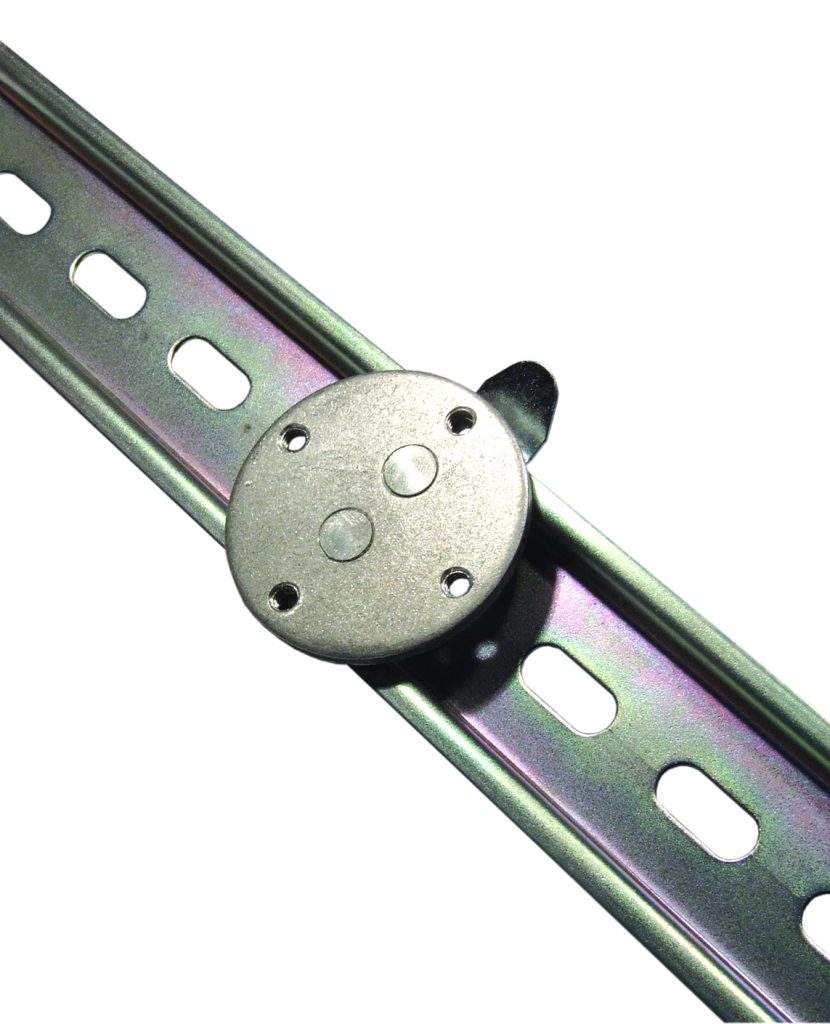
DIN Rail Mount Assembly For In-head Temperature Transmitters
Sale price£5.00
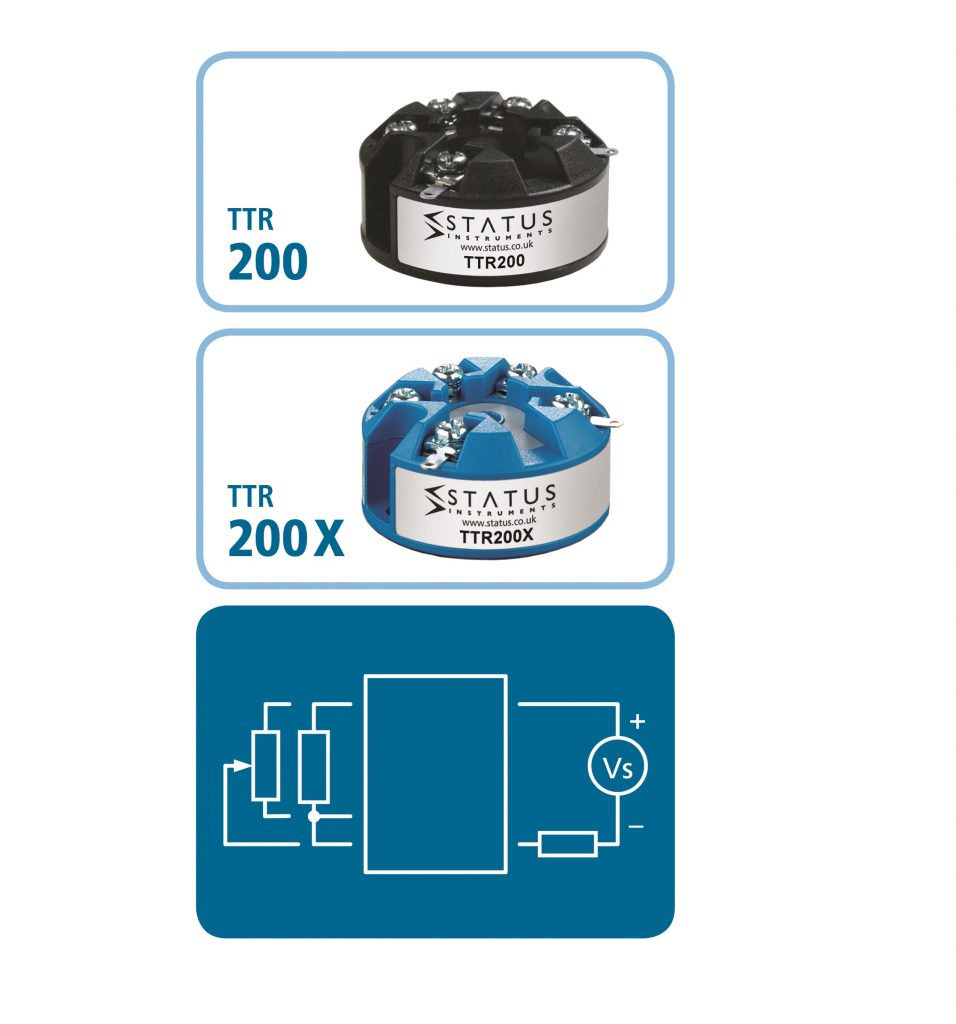
TTR200 RTD In Head Transmitter (With ATEX Version)
Sale priceFrom £86.90
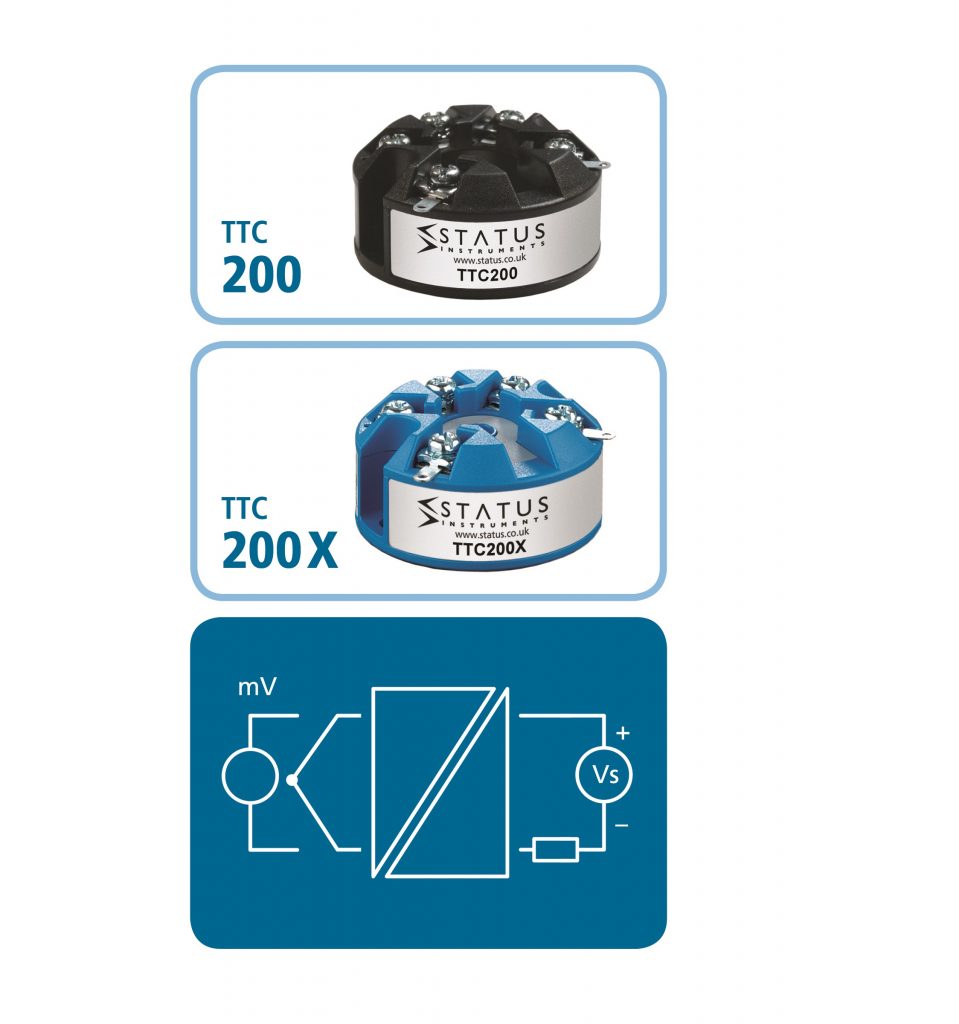
TTC200 Thermocouple In Head Transmitter (With ATEX Version)
Sale priceFrom £89.90
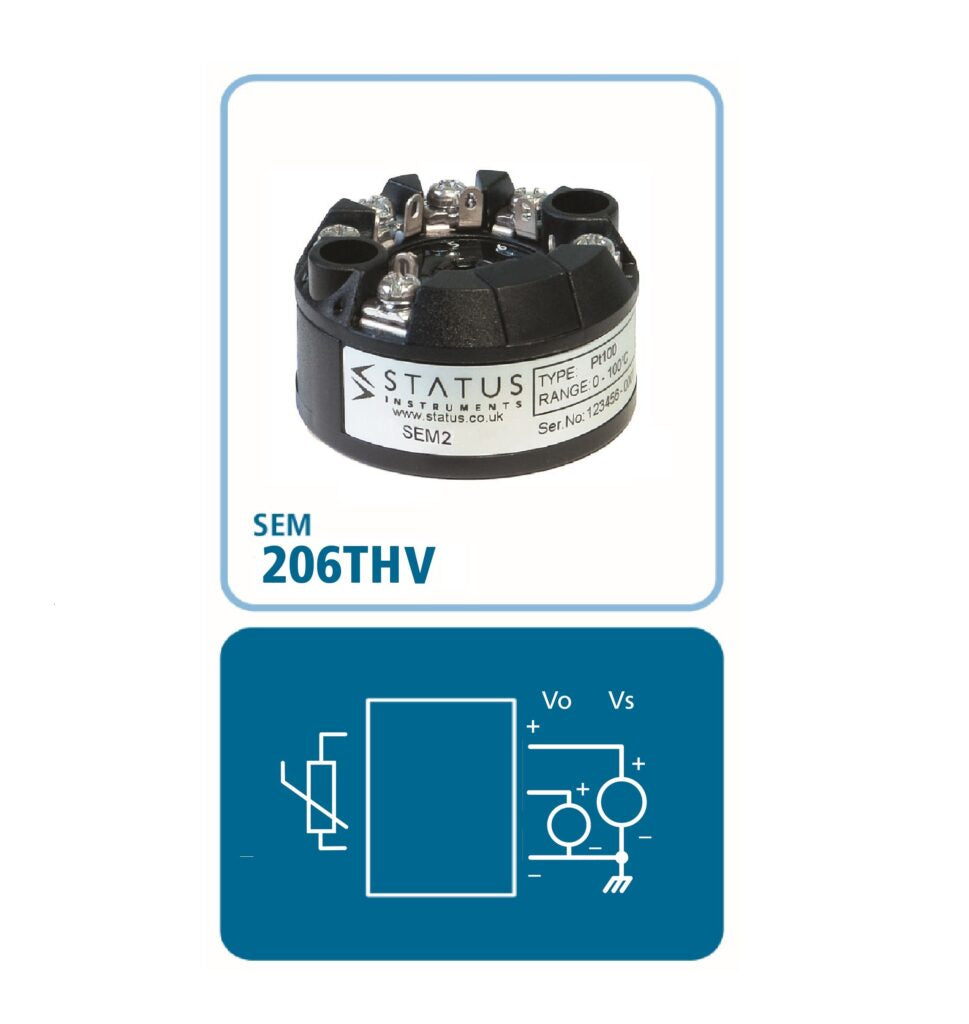
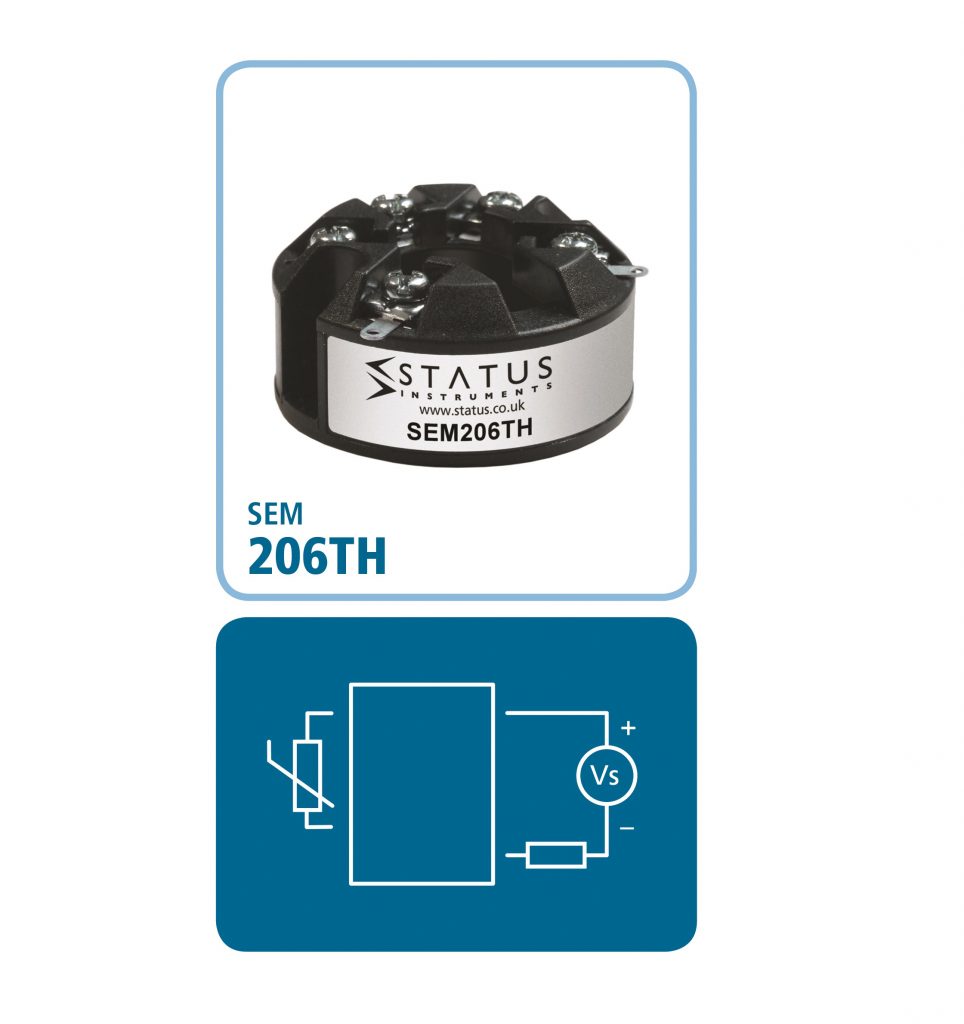
SEM206/TH Programmable Pt1000 & Thermistor In Head Transmitter
Sale priceFrom £70.70
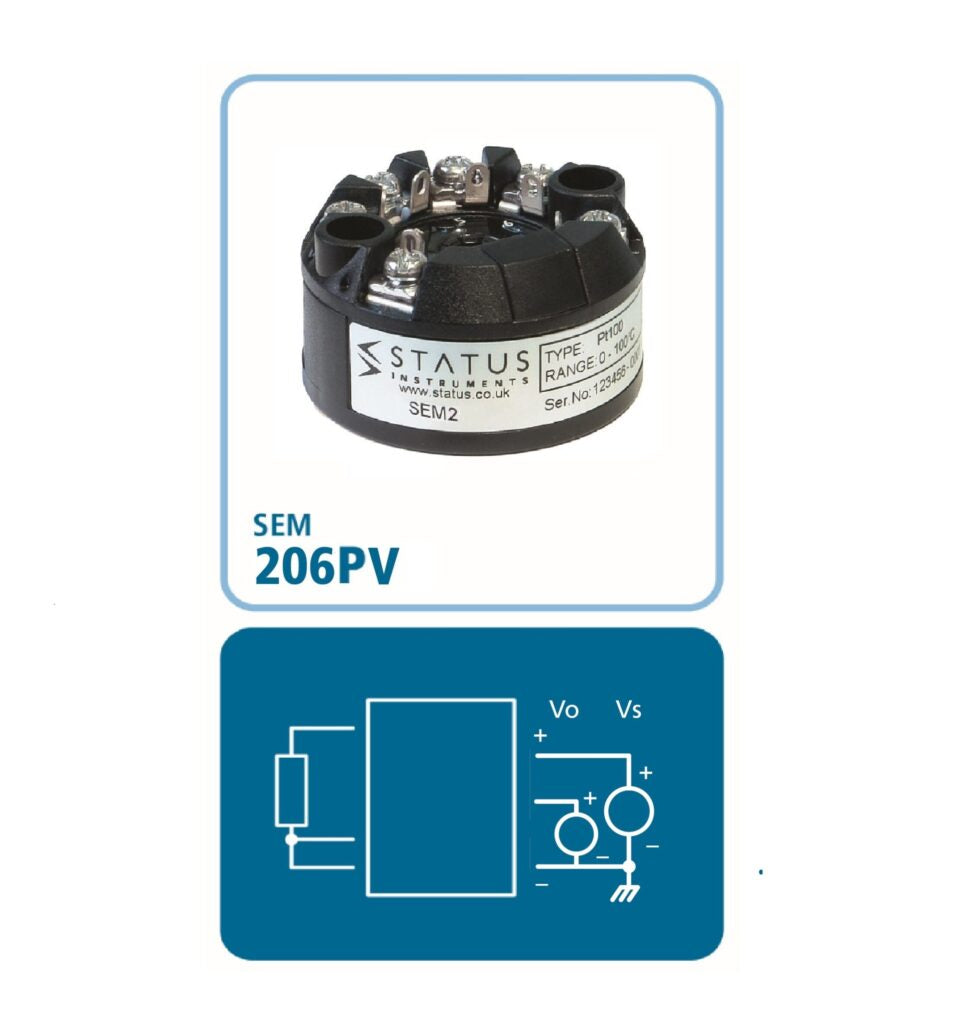
SEM206/P/V Programmable Pt100 In Head Transmitter (0-10V)
Sale priceFrom £78.00
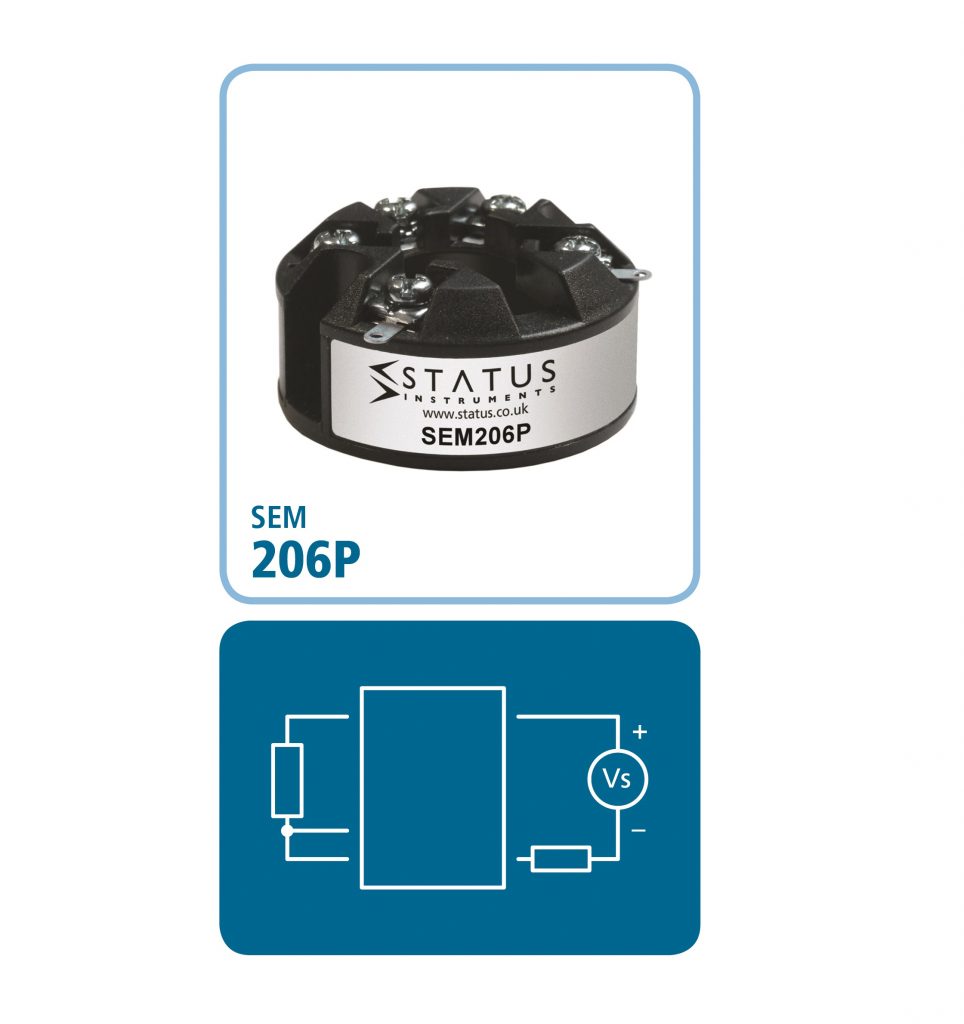
SEM206/P Programmable Pt100 In Head Transmitter
Sale priceFrom £62.20
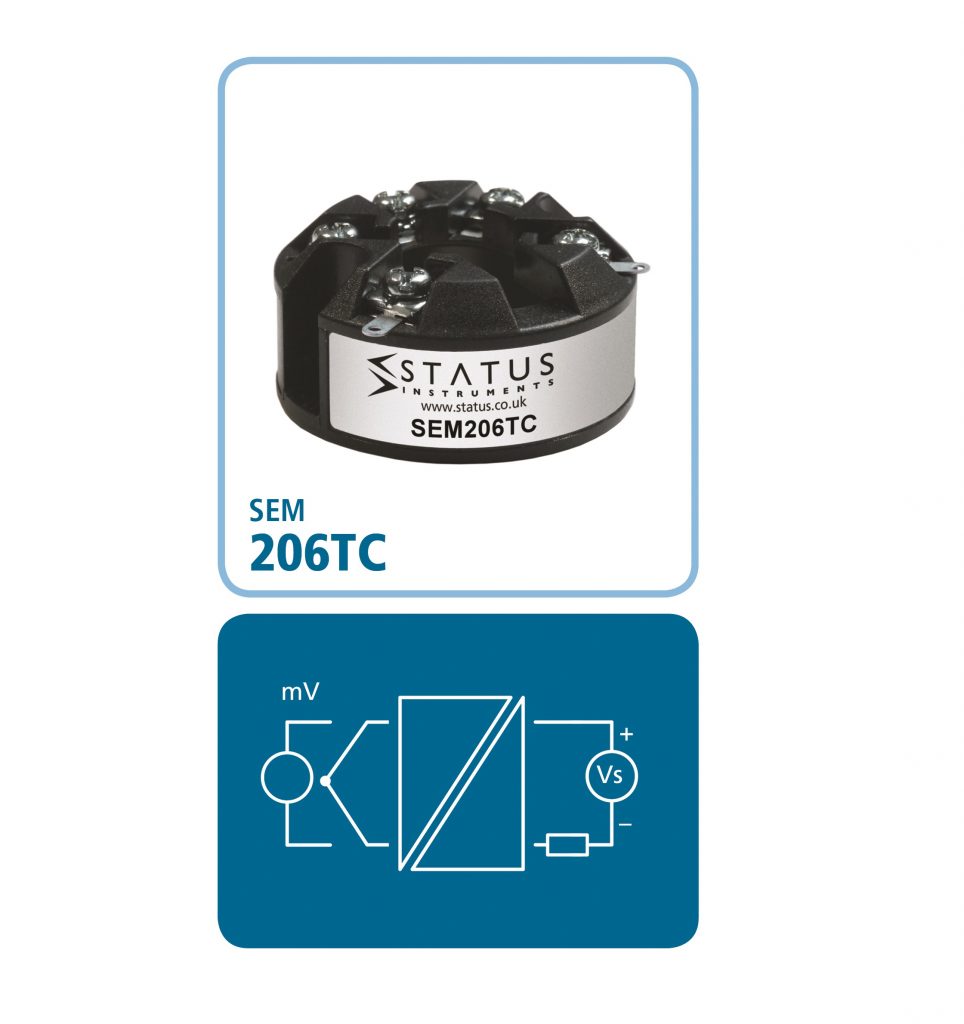
SEM206/TC Programmable Thermocouple In Head Transmitter
Sale priceFrom £78.00
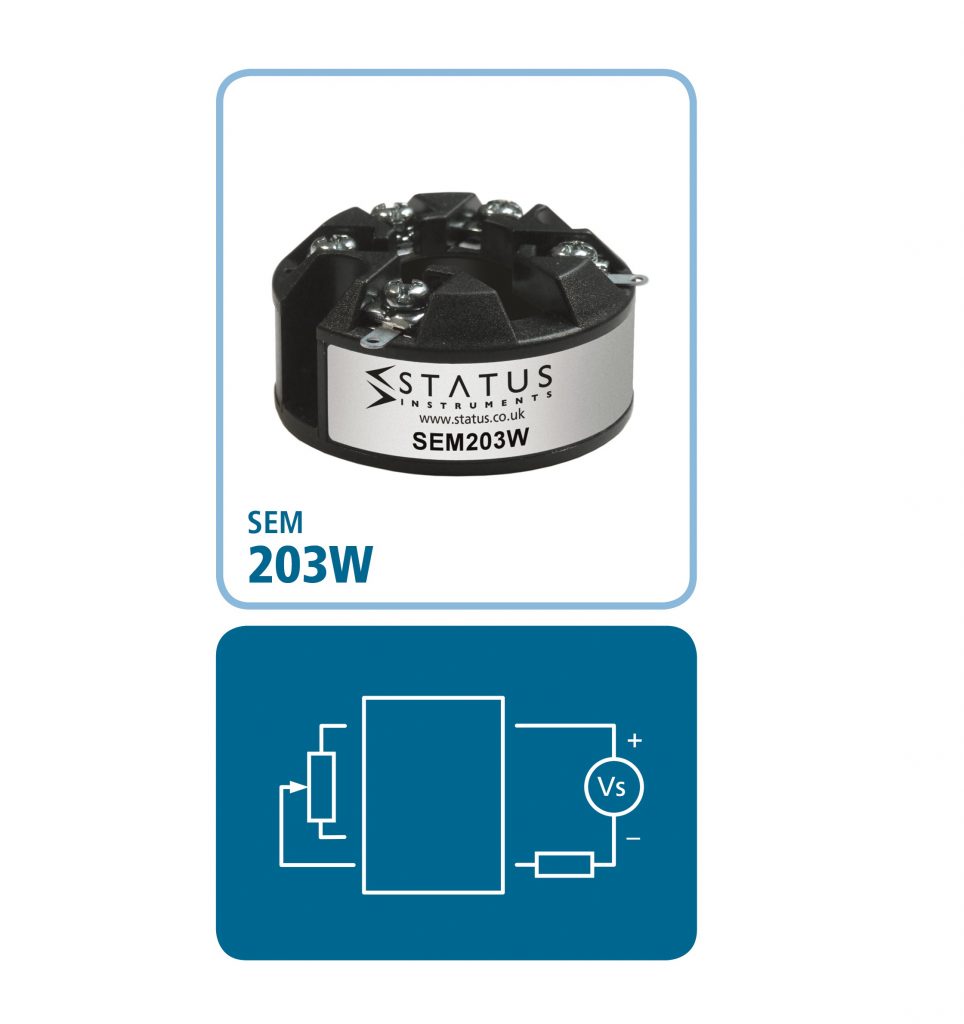
SEM203/W Slidewire In Head Transmitter
Sale priceFrom £80.20
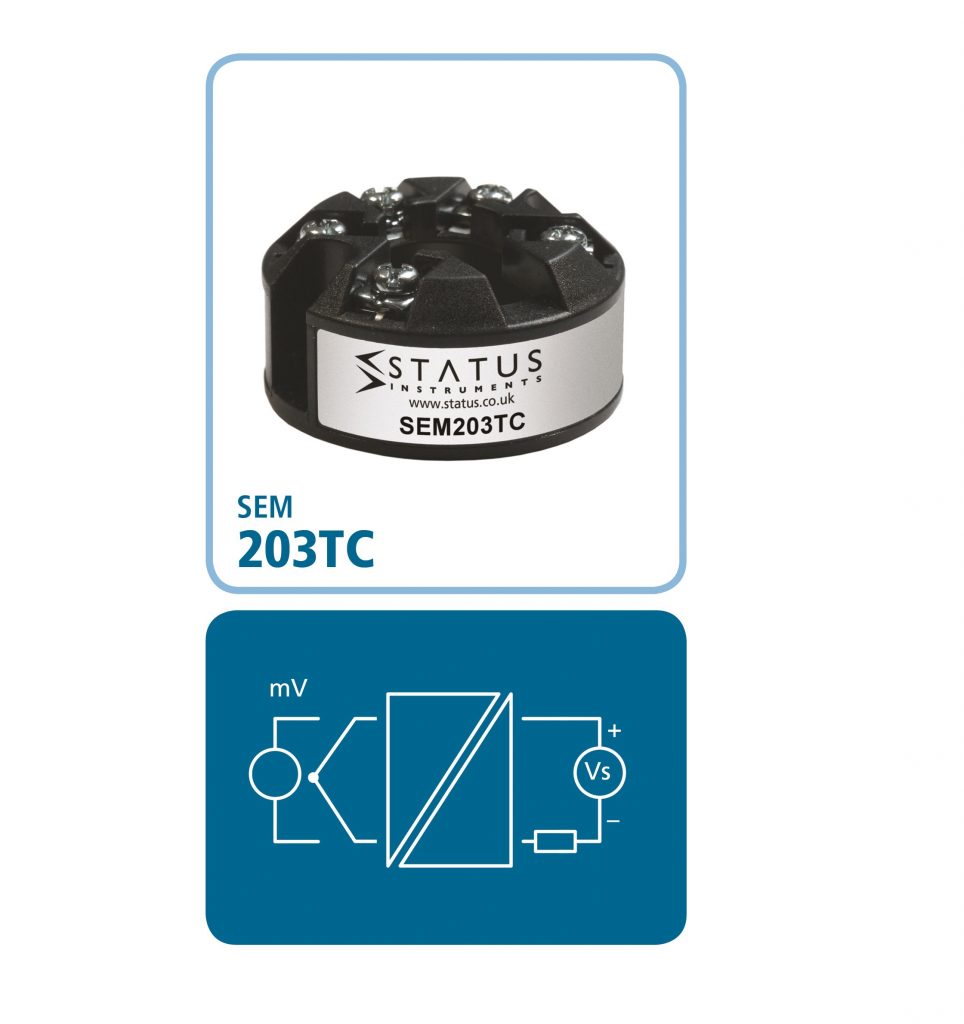
SEM203/TC Thermocouple In Head Transmitter
Sale priceFrom £72.10
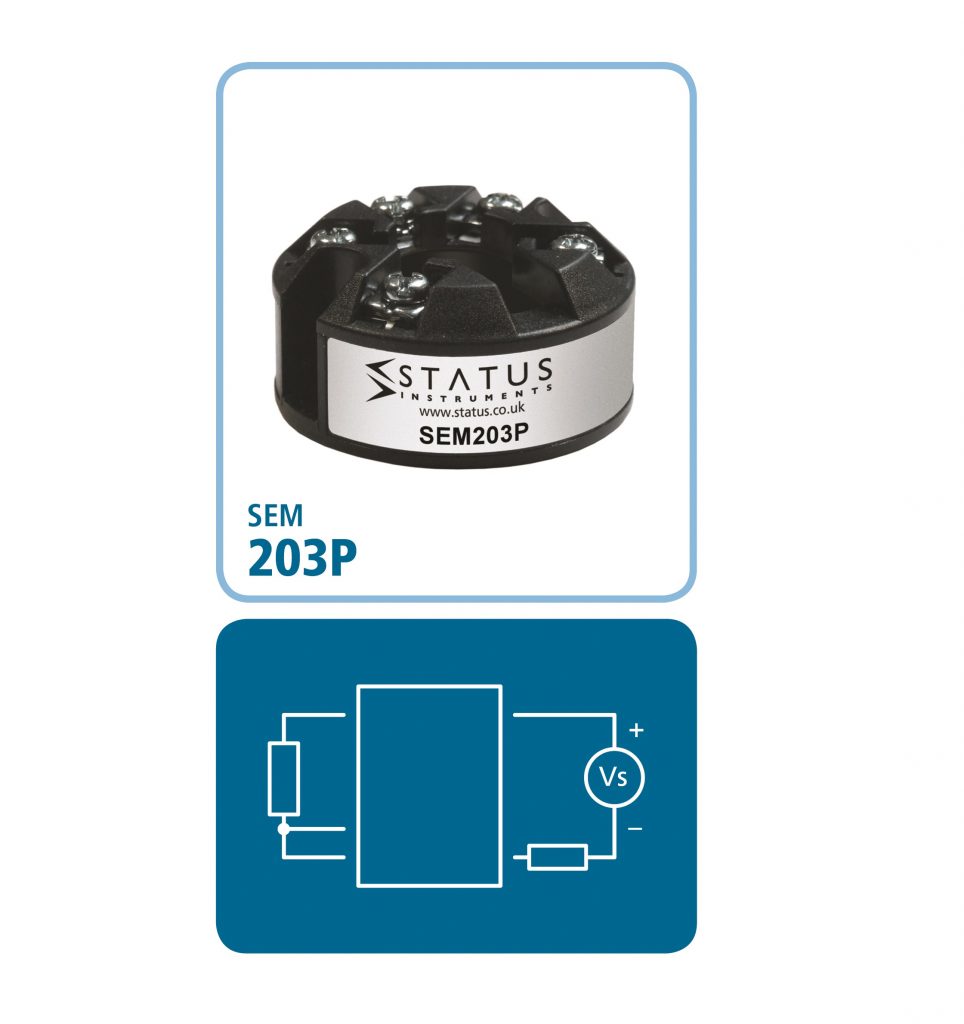
SEM203/P Pt100 In Head Transmitter
Sale priceFrom £55.50